Category: Celtic

  • CELTIC SACKED MEMBER OF STAFF AFTER LEAKING WILFRED NANCY TRANSFER LIST THAT INCLUDED FC ST. PAULI STAR AND HIBERNIAN GOAL SCORER

    CELTIC SACKED MEMBER OF STAFF AFTER LEAKING WILFRED NANCY TRANSFER LIST THAT INCLUDED FC ST. PAULI STAR AND HIBERNIAN GOAL SCORER


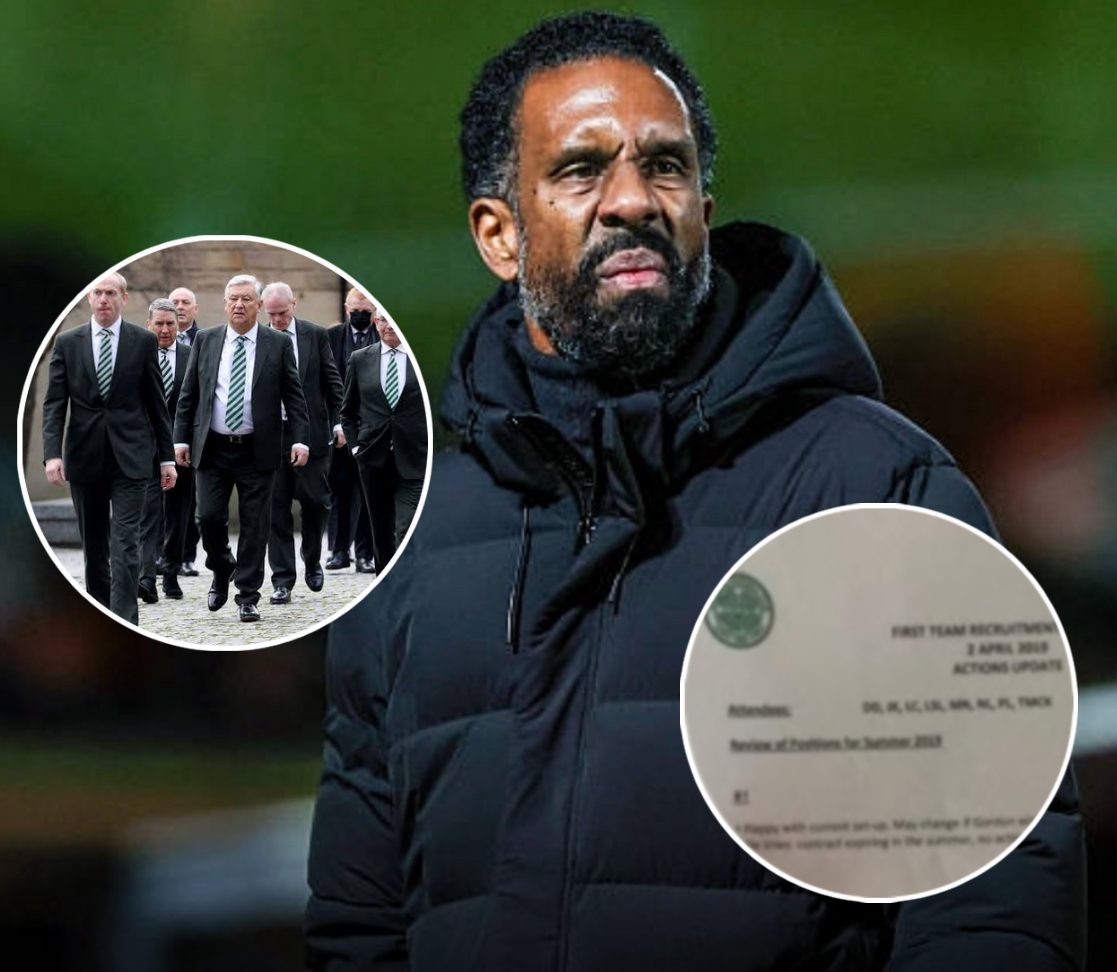
    Celtic have been plunged into yet another storm off the pitch after it emerged that a member of staff has been sacked with immediate effect following the leaking of what is believed to be Wilfrid Nancy’s confidential transfer shortlist. The revelation has sent shockwaves through the club, ignited fierce debate among supporters, and raised serious questions about internal security at one of Scotland’s biggest institutions.

    According to multiple sources close to the club, the leak involved sensitive recruitment information linked to Nancy’s proposed rebuild plans — including interest in a 23-year-old attacker currently starring in the Bundesliga with FC St. Pauli, and a 25-year-old midfielder who has been one of Hibernian’s standout goal contributors this season.

    Crucially, Celtic officials were furious not just about what was leaked, but how it found its way into the public domain.

    A LEAK THAT CROSSED THE LINE

    Transfer rumours are nothing new at Celtic Park. Speculation is part of football culture. But this situation was different — far more serious. This was not idle gossip from agents or media insiders. This was internal documentation, allegedly detailing targets, scouting assessments, and strategic priorities tied directly to Wilfrid Nancy’s vision for the squad.

    When fragments of the list began circulating online and among journalists, alarm bells immediately rang inside the club.

    Within hours, Celtic launched an urgent internal investigation, tracing the leak back through staff access logs, communication records, and internal systems. What they found reportedly left senior executives with no choice.

    By the end of the investigation, one staff member was identified as the source — and swiftly dismissed.

    No lengthy suspension.

    No quiet reassignment.

    Just a blunt message: breaching trust at this level will not be tolerated.

    WHY THIS LEAK HIT DIFFERENT

    What makes this saga explosive is the timing.

    Wilfrid Nancy has been heavily linked with Celtic amid intense speculation about the club’s future direction. His name has divided fans, sparked debate among pundits, and triggered endless discussion about Celtic’s tactical identity.

    The leaked transfer list appeared to offer a rare glimpse into Nancy’s thinking — the type of players he supposedly wants, the profile he values, and the markets he’s targeting.

    For rivals, that’s priceless intelligence.

    For agents, it’s leverage.

    For Celtic, it’s a nightmare.

    One senior figure at the club was quoted privately as saying the leak “undermined months of work” and risked inflating transfer fees or alerting competing clubs.

    THE TWO NAMES CELTIC DIDN’T WANT OUT

    While Celtic have worked hard to suppress details, the broad outlines of the leak became impossible to contain.

    Among the targets referenced were:

    • A 23-year-old attacker from FC St. Pauli, admired for his pace, movement, and ability to stretch defences — a profile believed to suit Nancy’s high-intensity philosophy.
    • A 25-year-old midfielder from Hibernian, already a proven goal contributor in the Scottish Premiership, seen as someone who could make an immediate impact without a long adaptation period.

    Neither player was meant to be discussed publicly. Negotiations, if any, were at an early and delicate stage. Yet suddenly, both clubs were aware, agents were alerted, and supporters were dissecting every stat and clip they could find.

    Inside Celtic, anger quickly replaced disbelief.

    CELTIC’S FURY BEHIND CLOSED DOORS

    Sources suggest the reaction from Celtic’s hierarchy was swift and brutal.

    This was not treated as a minor disciplinary issue. It was framed as a fundamental breach of professional integrity.

    Recruitment confidentiality is sacred at top clubs. Leaks can derail entire windows, compromise negotiating positions, and even damage relationships with other clubs.

    One insider described the mood as “toxic” during the emergency meetings that followed.

    “There was a feeling that if this was allowed to slide, it would open the floodgates. Someone had to be made an example of.”

    That example came quickly.

    FANS DIVIDED — BUT QUESTIONS GROW

    Among Celtic supporters, reaction has been mixed — and emotional.

    Some fans applauded the club’s decisive action, arguing that standards must be enforced if Celtic are to compete seriously in Europe.

    Others, however, are asking uncomfortable questions:

    • How did one staff member gain access to such sensitive material?
    • Are there deeper structural issues inside the club?
    • How many other leaks have gone undetected?

    On social media, hashtags related to the leak trended rapidly, with supporters demanding transparency while simultaneously speculating wildly about the players involved.

    Ironically, the very act Celtic tried to prevent — widespread discussion of transfer targets — has now been magnified tenfold.

    WILFRID NANCY’S POSITION — AWKWARD AND UNWANTED

    Perhaps the most uncomfortable aspect of the saga is how it has dragged Wilfrid Nancy into the spotlight, whether he wanted it or not.

    If the leaked list is accurate, it has effectively exposed his early ideas before he has even officially taken charge — if he ever does.

    That creates pressure.

    It creates expectations.

    And it creates ammunition for critics.

    Some fans are already dissecting whether a focus on a 23-year-old attacker from Germany and a 25-year-old midfielder from within Scotland is ambitious enough. Others are using the leak to argue either for or against Nancy’s suitability.

    None of this helps Celtic. And it certainly doesn’t help Nancy.

    A WARNING TO EVERYONE INSIDE CELTIC PARK

    By acting so decisively, Celtic have sent a message — not just internally, but across Scottish football.

    This is a club determined to regain control of its narrative.

    Leaks will be punished.

    Confidentiality will be enforced.

    No one is untouchable.

    Yet the damage may already be done.

    Rival clubs now know Celtic’s areas of interest. Agents know which profiles Celtic admire. Supporters are restless. And the atmosphere around the club feels tense.

    WHAT HAPPENS NEXT?

    The immediate aftermath raises several key questions:

    • Will Celtic tighten internal access to recruitment data?
    • Has this leak affected relationships with FC St. Pauli or Hibernian?
    • Could this incident influence whether Wilfrid Nancy even wants the job?
    • And most importantly — is this the last leak, or just the one that got caught?

    One thing is certain: this story is far from over.

    What began as a behind-the-scenes breach has exploded into a full-blown controversy, exposing cracks at a critical moment in Celtic’s season.

    For a club built on unity, trust, and control, this leak has cut deep — and the sacking of one staff member may only be the beginning of a much bigger reckoning.
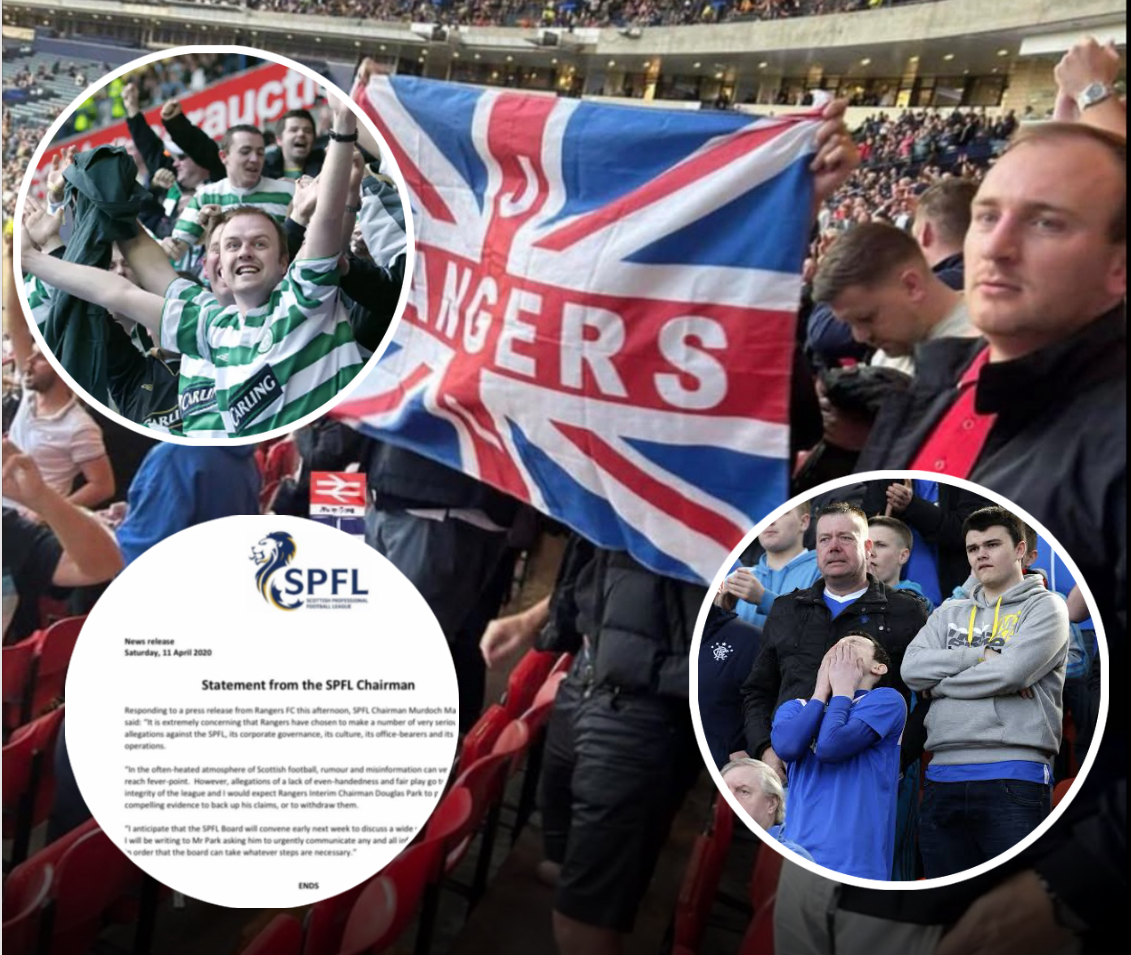
  • CELTIC STAR VOMITS OVER AND OVER IN THE CAMP,CELTIC HAS JUST RELEASED STATEMENT AS HE’S ‘TAKEN ILL” DURING TRAINING SESSION,NOW OUT OF OLD FIRM DERBY

    CELTIC STAR VOMITS OVER AND OVER IN THE CAMP,CELTIC HAS JUST RELEASED STATEMENT AS HE’S ‘TAKEN ILL” DURING TRAINING SESSION,NOW OUT OF OLD FIRM DERBY


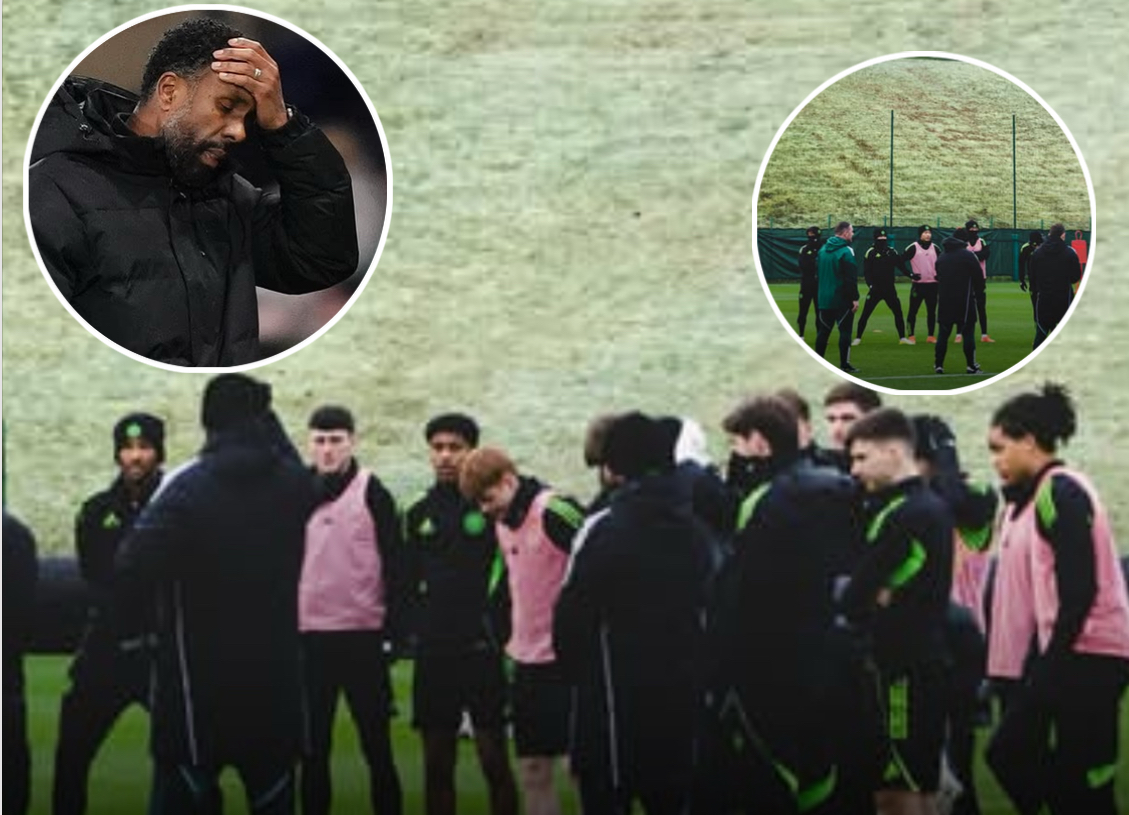
    Celtic’s preparations for one of the most anticipated Old Firm derbies in recent memory have been thrown into complete chaos after shocking scenes emerged from the club’s training camp, where 30-year-old Celtic forward Kelechi Iheanacho reportedly vomited repeatedly during a training session.

    The incident, which witnesses described as “deeply concerning,” unfolded suddenly and dramatically, forcing coaching staff and medical personnel to intervene immediately. Within hours, Celtic released an official statement confirming that the Nigerian international had “taken ill” during training and would play no part in the upcoming Old Firm clash.

    The timing could not be worse.

    With the pressure already sky-high and tensions building ahead of the showdown with Rangers, Celtic now face the derby without one of their most experienced attacking options — a development that has sent shockwaves through the fanbase and ignited intense debate across Scottish football.

    Disturbing scenes at training: what really happened?

    According to multiple sources close to the training ground, the incident occurred midway through a high-intensity session designed to replicate match-day conditions for the Old Firm derby.

    Players were reportedly working through tactical drills when Iheanacho suddenly stopped, bent over, and began vomiting uncontrollably. Staff rushed to his side as teammates looked on in visible concern. Those present say the 30-year-old Celtic player vomited several times, prompting immediate fears over his condition.

    One eyewitness described the moment as “alarming.”

    “It wasn’t just a case of feeling unwell for a few seconds. He kept vomiting, and it was clear straight away that something wasn’t right. The medical team didn’t take any chances.”

    Training was temporarily paused as Iheanacho was escorted away from the pitch, and initial assessments were conducted behind closed doors. Within minutes, word spread throughout the camp that the striker would not return to the session.

    By the end of the day, Celtic’s medical staff had decided there was no possibility of him featuring in the derby, prioritising his health above all else.

    Celtic confirm illness in official statement

    As rumours began circulating rapidly on social media, Celtic moved quickly to address the situation, releasing a short but significant statement.

    “Celtic FC can confirm that Kelechi Iheanacho was forced to withdraw from training after taking ill during today’s session. The player is receiving appropriate medical care and will be unavailable for the upcoming fixture.”

    While the club stopped short of revealing the exact nature of the illness, the phrase “taken ill” did little to calm nerves among supporters. Instead, it fuelled speculation, concern, and endless online debate.

    Fans immediately questioned whether the illness was food-related, viral, stress-induced, or something more serious — especially given the physical and emotional demands placed on players ahead of an Old Firm derby.

    Why Iheanacho’s absence is a massive blow

    For Celtic, losing a 30-year-old player with Iheanacho’s experience is not just about goals — it’s about leadership, composure, and reliability on the biggest stage Scottish football has to offer.

    The Nigerian forward has been valued for his intelligent movement, calm finishing, and ability to hold the ball under pressure — attributes that become priceless in a derby where emotions often override tactics.

    Even when not starting, Iheanacho’s presence on the bench has given Celtic a tactical safety net. Now, that option is gone.

    Former players and pundits were quick to underline the significance of the setback.

    “In Old Firm games, experience matters just as much as form. Losing a 30-year-old forward who has played at the highest level is a real problem.”

    Old Firm pressure: could stress have played a role?

    While Celtic have not suggested stress as a factor, the intensity of the Old Firm derby cannot be ignored. The fixture is widely regarded as one of the most emotionally charged matches in world football, with pressure that extends far beyond the pitch.

    Former professionals have often spoken about how the build-up alone can take a physical toll.

    Sports psychologists have pointed out that extreme stress can manifest physically, sometimes resulting in nausea, dizziness, or sudden illness — especially when combined with intense training loads.

    Whether or not this applies to Iheanacho remains unknown, but it has not stopped fans from discussing the brutal demands placed on players in the days leading up to derby day.

    Fans react: concern, frustration, and fear

    The reaction from Celtic supporters has been mixed — but overwhelmingly emotional.

    On one hand, there is genuine concern for Iheanacho’s health, with fans flooding social media with messages of support and well-wishes.

    “Football comes second. Hope Iheanacho is okay — that’s what matters.”

    On the other hand, frustration is bubbling just beneath the surface. Many supporters cannot believe Celtic have been hit by such ill-timed misfortune yet again ahead of a critical encounter with Rangers.

    Some fans even questioned whether the club’s medical and nutritional protocols should come under scrutiny, though others quickly pushed back against such claims.

    “People need to calm down. Players get sick. It’s unfortunate, but it happens.”

    What it means tactically for Celtic

    With Iheanacho ruled out, Celtic’s coaching staff now face a major tactical headache.

    The absence of the 30-year-old forward reduces attacking depth and limits in-game flexibility. It may force the manager to rely heavily on younger or less experienced options — players who may not have faced the psychological furnace of an Old Firm derby before.

    Opposition analysts believe Rangers will see this as an opportunity to press aggressively, knowing Celtic’s options from the bench are weakened.

    “This changes the dynamic. Rangers will sense vulnerability.”

    Medical silence fuels speculation

    One of the biggest talking points remains Celtic’s decision not to disclose further medical details. While clubs often protect player privacy, the lack of clarity has inevitably led to wild speculation.

    Some reports suggest a viral illness circulating within camps across Europe, while others have floated the possibility of food poisoning. None of these claims have been confirmed.

    What is clear is that Celtic have taken a cautious approach — a sign that the illness was serious enough to warrant immediate withdrawal and rest.

    Medical experts agree that repeated vomiting during intense exercise is a red flag that should never be ignored.

    How long will Iheanacho be sidelined?

    At this stage, Celtic have not provided a timeline for Iheanacho’s return. The club is expected to monitor his condition over the coming days before deciding when he can safely resume training.

    Supporters are hopeful the setback is short-term and that the 30-year-old Celtic player will not miss additional fixtures beyond the Old Firm derby.

    However, with modern football’s congested schedule, there is concern that rushing him back could risk recurrence or further complications.

    A cruel twist ahead of the biggest game

    Football has a brutal way of delivering drama off the pitch as well as on it, and Celtic’s latest setback is a reminder of how quickly momentum can shift.

    Just days before one of the most emotionally charged matches in the calendar, the club finds itself without a key figure — not through suspension or injury, but sudden illness.

    As the countdown to kickoff continues, questions linger:

    • Can Celtic cope without Iheanacho?
    • Will his absence tilt the balance in Rangers’ favour?
    • And most importantly — how quickly can the 30-year-old striker recover?

    For now, Celtic supporters can only wait, worry, and hope that their star forward makes a swift and full recovery — even if it comes too late for the Old Firm derby.

    One thing is certain: this is not how Celtic wanted to approach the biggest game of their season.

  • SPFL SENDS A STRONG WARNING TO ENTIRE RANGERS FANS AHEAD OF OLD FIRM DERBY AS NEW RULES EMERGES

    SPFL SENDS A STRONG WARNING TO ENTIRE RANGERS FANS AHEAD OF OLD FIRM DERBY AS NEW RULES EMERGES


    In what has become one of the most highly scrutinised fixtures on the Scottish football calendar, the Scottish Professional Football League (SPFL) has issued a stern warning to Rangers supporters ahead of tomorrow’s Old Firm derby against Celtic. This caution comes as freshly implemented matchday rules, designed to curb disorderly conduct and enhance safety, take effect amid ongoing concerns from clubs, policing authorities, and league officials about fan behaviour at one of British football’s most intense rivalries.

    The announcement marks another chapter in a series of escalated efforts by Scottish football authorities to restore order at fixtures that have historically attracted not just passionate support but high levels of scrutiny over pyrotechnics, crowd control, and sectarian tensions.

    What the SPFL Warning Means

    While the SPFL has not published the exact full text of its warning in every media outlet, multiple credible reports and the matchday guidance agreed between Rangers, Celtic, and Police Scotland provide a clear indication of the new expectations being communicated to supporters:


    1. Strict Entry and Escort Procedures

    Away supporters attending the match at Celtic Park — in this case Rangers fans — have been asked to adhere to rigorous arrival and entry protocols agreed by both clubs and Police Scotland. Rangers supporters with tickets have been instructed to arrive up to two hours before kick-off, gather at a designated meeting point (the Emirates Arena), and then walk in a police-escorted group across to the Parkhead stadium. Turnstiles will open early for this purpose and late arrivals risk missing kick-off as they may be held for safety reasons. 

    This framework is part of a broader attempt to manage crowd flow and reduce the type of high-risk interactions that can occur when large numbers of rival fans converge on city streets and transport nodes. The SPFL and law enforcement agencies have clearly signalled that compliance with these procedures isn’t optional — and failing to do so could jeopardise both personal entry and future allocations for supporters.

    2. Heightened Emphasis on Pyrotechnics and Misconduct

    The warning also heavily underscored the **zero-tolerance approach to pyrotechnics — flares, smoke bombs, and similar devices — inside or near the stadium precinct. Rangers supporters have been reminded that bringing pyrotechnics is illegal and carries risk of arrest, immediate ejection, and club sanctions, including potential reductions in future away ticket allocations. 

    This is no idle threat: the SPFL and clubs across Scotland have been grappling with pyrotechnic misuse for years, leading to sanctions such as ticket allocation cuts when supporter conduct breaches accepted safety standards. In fact, both Celtic and Rangers have faced enforced reductions in ticket numbers in cup competitions due to pyro-related incidents in recent seasons. 

    3. Broader League Crackdown on Dangerous Behaviour

    The league’s latest warning fits into an ongoing, more structured campaign to tighten the climate around fan conduct:

    • Missiles and thrown objects: These continue to be a concern at high-profile matches. Fans throwing objects onto the pitch or towards opposing supporters and officials have faced severe rebukes, investigations, and potential club penalties.  
    • Sectarian and abusive behaviour: Police in Scotland have investigated threatening messages and abuse connected to Old Firm matches, including concerning incidents involving match officials. These investigations have drawn broader warnings about intimidation and harassment.  
    • Safety certificates and licensing: Security experts have previously warned that if clubs fail to manage pyrotechnics and dangerous behaviour, they not only risk league sanctions but also threats to safety certification of stadiums.  

    While not every measure is brand new, their consolidation ahead of this particular derby underscores how seriously football authorities are taking the fixture’s risk profile and the need to balance fan passion with public safety.

    Historical Context: Why This Matters

    To understand why the SPFL’s warning resonates so strongly with fans and clubs alike, it helps to look at the backdrop of Old Firm derbies over recent years:

    Old Firm Ticket Allocations and Away Fan Access

    Away fan allocations have been a recurrent flashpoint:

    • In prior seasons, both clubs drastically reduced away ticket numbers following safety concerns, with some fixtures played completely without away supporters.  
    • A return to limited away support — with Rangers receiving a few thousand away tickets — was negotiated for recent meetings, reflecting careful compromise between sporting fairness and safety logistics.  

    These twists in policy reflect a broader tussle over how to preserve the historic scale of Old Firm rivalry while acknowledging that full stadium allocations for tens of thousands of travelling supporters have, at times, been cited by authorities as an untenable public safety risk without massive policing and security resources.

    Legacy of Crowd Disorder

    Old Firm matches are among the most intense and historically charged rivalries in world football, rooted in cultural, religious and social fault lines in Glasgow and beyond. While modern Scottish football has sought to defuse such tensions, every high-profile derby risks reigniting elements of that legacy — pyrotechnics, chants, songs, and confrontations that can cross boundaries into misconduct.

    The SPFL’s warning is not just about one match or one set of supporters; it’s part of a longer effort to redefine boundaries — showing that passion is welcome, but danger and illegal actions are not.

    Fan Reaction and Club Responses

    Public responses to the SPFL’s warnings have been mixed, reflecting the broader divides around derby culture:

    • Supporters urging compliance argue that co-operation with matchday procedures and safety protocols ensures everyone can enjoy the game and minimises disruptions. For many ordinary travelling fans, the message is simple: don’t risk club sanctions or personal arrest over avoidable behaviour.
    • Critical voices within fan communities sometimes frame such warnings as heavy-handed or punitive, asserting that loyal supporters are being treated like criminals based on the actions of a small minority. Such sentiment can fuel online debate and contribute to distrust between some supporter groups and authorities.

    Importantly, while passionate discourse and strong opinions are part of football culture, the SPFL’s stance emphasises responsibility and safety — aiming to protect the vast majority of fans who want nothing more than to support their teams in a safe environment.

    What This Means for Tomorrow’s Derby

    With the match scheduled for tomorrow, the practical implications are clear:

    • Rangers fans attending must comply with entry procedures and arrive early to avoid missing kick-off.
    • Any behaviour involving flares, rockets, or dangerous conduct will be treated seriously — potentially leading to immediate ejection, arrest, or future restrictions.
    • The clubs will be monitored closely by league and police authorities throughout the day; both teams have a vested interest in a safe, drama-free fixture that can be decided on the pitch.

    As the Old Firm derby approaches, there’s no doubt that football passion in Scotland remains intense — but with fresh, enforced rules and stern warnings from the SPFL, tomorrow’s fixture will be a test of whether supporter fervour can coexist with the league’s renewed focus on responsibility and safety.

    The SPFL’s warning to Rangers fans ahead of the Old Firm derby is emblematic of broader safety policies, a response to longstanding issues in Scottish football, and a clear statement that certain behaviours will no longer be tolerated if clubs and supporters wish to preserve open access to these historic fixtures.


  • REASON WHY SPFL ANNOUNCED THE BANNED OF STEVEN MCLEAN FROM OFFICIATING OLD FIRM DERBY HAVE EMERGES,IT SHOCKED EVERYONE

    REASON WHY SPFL ANNOUNCED THE BANNED OF STEVEN MCLEAN FROM OFFICIATING OLD FIRM DERBY HAVE EMERGES,IT SHOCKED EVERYONE


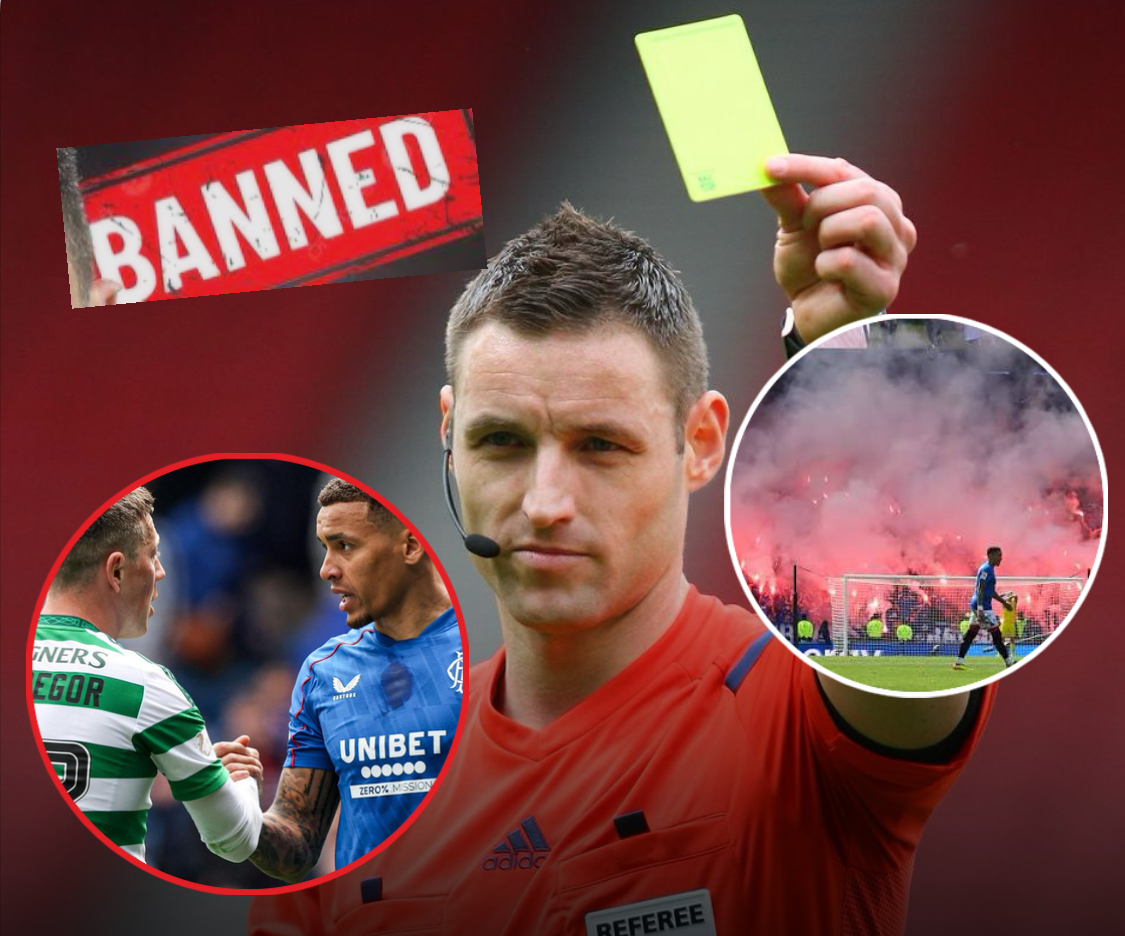
    In what has to be one of the most jaw-dropping moves in Scottish football history, the SPFL has swept aside tradition, form and expectations by banning one of its most experienced officials — Steven McLean — from taking charge of the titanic Old Firm derby between Celtic and Rangers tomorrow. Fans, pundits, players and even fellow referees are stunned. And the reasons behind this seismic decision? Well… they explode every myth you thought you knew about refereeing in Scotland.

    This isn’t just another “referee pulled off duty” story. This is politics, pressure, integrity and controversy all colliding in a single announcement. Buckle up.

    🔥 

    THE BAN THAT BLEW UP SCOTTISH FOOTBALL

    According to the official match appointment announcements, Steven McLean — a referee with over two decades of experience — was initially named as the official for the Old Firm fixture. But within hours of that being publicly revealed, the SPFL pulled the plug and WITHDREW his appointment. Yes — before a ball has even been kicked. 

    That in itself was shocking. But why? That’s where things turn explosive.

    😱 

    SPFL FEARED UNPRECEDENTED BACKLASH AFTER RECENT CONTROVERSIAL OLD FIRM DECISIONS

    Scottish football insiders reveal that Steven McLean has been under intense scrutiny from both sides of the Old Firm rivalry due to a series of recent controversial VAR and refereeing decisions linked directly to matches in which he played a key role as referee or VAR official.

    In the current season alone, McLean has been involved in VAR incidents where the outcomes swung the momentum of high-profile games:

    • A blatant goal ruled out in a Rangers match against Celtic, sparking outrage from supporters and pundits alike.
    • Contentious penalty decisions (or lack thereof) involving Rangers that even pundits said might have been wrongly adjudicated.
    • Panels reviewing his calls debated whether the correct call was ever made.  

    This mounting criticism, particularly from Rangers camp insiders — who had publicly questioned VAR calls and McLean’s role — apparently hit SPFL decision-makers like a shockwave. One club source said: “Just imagine the fallout if McLean was put in the middle tomorrow and makes a game-deciding call. We’d see chaos.”

    ⚠️ 

    FEAR OF RIOTS, ABUSE AND SAFETY CONCERNS

    But there’s a darker, almost unbelievable reason at the heart of this ban.

    In the wake of recent high-stakes Old Firm clashes, referees and match officials have faced unprecedented levels of abuse, threats, intimidation, and even possible safety risks. The Scottish FA and SPFL have reportedly been involved in behind-the-scenes crisis talks about mentor safety.

    Why is this relevant?

    Because the governing body is acutely aware that a high-pressure referee like McLean — who is well known among fans — could become the target of fan ire that spirals out of control. And that could lead to trouble both inside and outside the stadium — from pitch invasions to social-media death threats.

    Scottish referees have already been on the receiving end of deeply disturbing threats following controversial decisions in Old Firm games, prompting Police Scotland involvement in some cases. 

    One senior match official told us on condition of anonymity:

    “This isn’t just about one appointment anymore. It’s about perceived bias, online trolls, toxic fanaticism… and we’re simply not willing to have our people put in the centre of that without extreme protection.”

    📉 

    IS THIS AN ADMISSION THAT REFEREES CAN’T DEAL WITH OLD FIRM INTENSITY ANYMORE?

    Make no mistake — the Old Firm derby is not just a football match. It is a cultural event, charged with history, religion, social identity and decades of tension. 

    Celtic and Rangers aren’t merely clubs — they are emotional identities for tens of thousands of fans. Nothing — absolutely nothing — happens in these games without being pored over, criticized, dissected and weaponized on social media.

    And referees are not exempt from that firestorm.

    Some pundits have even suggested the SPFL’s decision represents a terrifying admission:

    The league does not trust its referees to withstand the pressure of the Old Firm without facing serious consequences.

    Here’s why that narrative is catching fire:

    ✔ There have been public calls by clubs for explanations and apologies over McLean’s recent VAR decisions. 

    ✔ McLean was involved in decisions that analysts publicly questioned for clarity and correctness.

    ✔ Fan groups have relentlessly attacked his reputation online.

    Add it all together, and you have a recipe for an explosive match day. Many believe the SPFL would rather avoid that entirely — even if it means sidelining one of Scotland’s most experienced officials.

    🧨 

    CONSPIRACY THEORIES NOW RUNNING WILD

    As expected, the internet has already lit up with theories that range from the absurd to the sensational:

    🚩 

    1. “It’s a COVER-UP!”

    Some sections of fans believe the SPFL bowed to pressure from powerful clubs, effectively shielding one side from decisions they fear McLean would make.


    2. “Bias Allegations Run Deep!”

    Across social media, many supporters are convinced that McLean has a subconscious preference toward one club — whether or not there’s any real evidence.

    🤯 

    3. “The SPFL Fears a National Security Incident!”

    A minority of fans even claim the league took this step because they genuinely fear violence should McLean make one controversial call during the derby.

    Whether any of these theories are true is completely beside the point — they reflect the total breakdown in trust around refereeing decisions in Scottish football.

    This is not normal fan chatter — this is armed tribalism at its fiercest.

    🎙 

    WHAT FANS ARE SAYING RIGHT NOW…

    Across fan forums, Reddit threads, and Twitter feeds, reactions are wild:

    🔥 “SPFL are scared! They know McLean would get crucified.”

    🔥 “We’ve lost confidence in our refs — we need foreign officials for Old Firm.”

    🔥 “This is bigger than just one referee — this is an identity war.”

    Even among neutrals, the sentiment is that something is deeply wrong with how officiating is handled — and this ban has only supercharged that feeling.

    📊 

    WHAT THIS COULD MEAN GOING FORWARD

    This decision — whether supporters like it or hate it — might be a turning point:

    👉 Does this set a precedent?

    Will referees now be judged *not on their merit, but on how much conflict they are expected to cause?

    👉 Does this normalise shielding officials from pressure?

    If so, is that good for football integrity — or a slippery slope?

    👉 Will the SPFL now change how referee appointments are made?

    These questions don’t just matter this week — they could reshape Scottish football for years to come.

    🏟 

    THE ULTIMATE IRONY?

    Steven McLean was once trusted with high-profile matches — including Old Firm games — with zero controversy. 

    That’s what makes this ban so surreal.

    A man once seen as capable of fairly adjudicating Scotland’s most intense rivalry is now deemed too controversial to officiate it.

    For many fans, that’s a bitter pill to swallow. For others, it’s a necessary move in an era where referee abuse online and offline is at a terrifying high.

    One thing is certain:

    Tomorrow’s Old Firm won’t just be about Celtic vs Rangers —

    it will be about how Scottish football got here.


  • CELTIC FANS LEFT FUMING AFTER KRIS BOYD REVEALS THE REASON WHY HE SAID RANGER IS A BIGGER CLUB THAN CELTIC

    CELTIC FANS LEFT FUMING AFTER KRIS BOYD REVEALS THE REASON WHY HE SAID RANGER IS A BIGGER CLUB THAN CELTIC


    In Scottish football, there are opinions… and then there are statements that ignite chaos.

    Kris Boyd’s latest comments firmly fall into the second category.

    With Rangers still waiting to lift a major trophy since their 2021 title win, the former Ibrox striker has refused to back down from his stance — insisting that Rangers remain the bigger club than Celtic. The reaction has been swift, brutal, and entirely predictable.

    Celtic fans are furious. Rangers fans are divided. And once again, the Old Firm rivalry has exploded beyond the pitch and into the headlines.

    https://x.com/scotsunsport/status/2006417869102305434?s=46

    Boyd may have insisted that his view is “not controversial”, but judging by the fallout, Scottish football disagrees.

    Rangers Without Silverware Since 2021 — The Uncomfortable Reality

    There is no escaping one key fact at the centre of this storm: Rangers have not won a trophy since 2021.

    That season — Steven Gerrard’s unbeaten league title — was meant to signal a turning point. It stopped Celtic’s historic ten-in-a-row, restored pride at Ibrox, and suggested Rangers were ready to dominate again.

    Instead, the years that followed have told a different story.

    • Celtic reclaimed the league
    • Domestic cups returned to Parkhead
    • Rangers repeatedly fell short in decisive moments

    Despite flashes of promise in Europe and strong league finishes, Rangers’ inability to consistently convert opportunity into silverware has become a growing source of frustration for supporters.

    It is against this backdrop that Boyd’s comments landed — and why they felt like fuel poured on an already raging fire.

    What Kris Boyd Said — And Why It Blew Up

    Speaking in his role as a pundit, Boyd did not sugar-coat his assessment of the current situation.

    He openly criticised Rangers’ performances in Old Firm matches, questioned the squad’s quality, and suggested that Celtic are currently miles ahead in terms of structure, confidence, and identity.

    Yet the most explosive element was Boyd’s underlying claim: despite Celtic’s recent success, Rangers are still the bigger football club.

    According to Boyd, this isn’t arrogance — it’s history.

    He points to Rangers’ record number of league titles, their global fanbase, and their long-standing status as one of the most decorated clubs in world football. From his perspective, recent trophy droughts do not erase decades of dominance.

    To Boyd, that argument is straightforward.

    To Celtic fans, it is completely unacceptable.

    Celtic Fans React — “Living in the Past”

    Social media erupted within minutes of Boyd’s remarks being circulated.

    Celtic supporters accused the pundit of:

    • Clinging to history instead of reality
    • Ignoring recent dominance
    • Moving the goalposts whenever Rangers fall behind on the pitch

    Many pointed out that football is judged by what happens now, not what happened generations ago. Others mocked the idea that a club without trophies for several seasons could still claim superiority over one that continues to collect them.

    The phrase “living in the past” appeared repeatedly across fan forums, comment sections, and timelines.

    For Celtic fans, Boyd’s stance felt like a refusal to accept the current balance of power — and worse, an attempt to downplay their club’s success.

    Why This Debate Never Dies

    The “bigger club” argument is not new — but it never loses heat.

    Rangers supporters traditionally lean on:

    • Total trophy count
    • Historical dominance
    • Worldwide recognition

    Celtic fans counter with:

    • Recent domestic control
    • Consistency under modern football structures
    • Sustained success across competitions

    The truth is uncomfortable for both sides: each argument depends on where you choose to start counting.

    Boyd’s comments reopened this debate at a moment when emotions are already raw — particularly after Old Firm defeats and missed opportunities.

    And in Scottish football, timing is everything.

    Even Rangers Fans Are Split

    While Celtic supporters were united in outrage, Rangers fans themselves were far from unanimous.

    Some applauded Boyd’s honesty, arguing that criticism is necessary if the club is ever going to move forward. They saw his comments as a challenge — a reminder of what Rangers should be striving to be.

    Others, however, felt Boyd’s words only highlighted uncomfortable truths:

    • Rangers are chasing Celtic, not leading
    • History cannot win matches
    • Big-club status must be backed up with trophies

    For a section of the Ibrox support, Boyd’s confidence felt misplaced at a time when results continue to fall short of expectations.

    The Real Issue: Present vs Past

    At the heart of this controversy lies a deeper question about modern football:

    How much does history really matter anymore?

    In today’s game, success is measured season by season. Fans demand progress, trophies, and European nights — not reminders of what their club used to be.

    Celtic’s recent run of silverware has given their supporters confidence and momentum. Rangers’ inability to consistently match that success has created pressure, impatience, and scrutiny.

    Boyd’s argument — whether intentional or not — exposed that contrast.

    And that is why it hurt.

    Punditry, Provocation, and Headlines

    There is also a wider truth worth acknowledging: bold opinions drive attention.

    Kris Boyd knows the Old Firm landscape better than most. He understands that strong statements generate reaction, clicks, and debate. In the age of football media, neutrality rarely trends.

    By saying “this is not controversial”, Boyd ensured that it would become exactly that.

    And once again, the Old Firm rivalry proved why it remains one of the most intense in world football — capable of turning a single comment into a national talking point.

    Where Does This Leave Rangers and Celtic?

    For Celtic, the response is simple: keep winning.

    As long as trophies continue to arrive at Parkhead, arguments about size will feel academic.

    For Rangers, the challenge is clearer — and harder:

    • Close the gap
    • Deliver silverware
    • Turn criticism into motivation

    Until that happens, voices like Boyd’s will continue to divide opinion — and invite ridicule from rivals.

    Final Word

    Kris Boyd may insist his comments are not controversial, but in Scottish football, context matters.

    A trophy drought, a dominant rival, and the most bitter rivalry in the country created the perfect storm. His remarks didn’t just reopen an old debate — they reminded everyone how fragile pride can be when results don’t match reputation.

    One thing is certain:

    As long as Rangers and Celtic exist, arguments about who is “bigger” will never truly end.