Category: Celtic

  • CELTIC ROCKED AS RANGERS HIJACK JANUARY TRANSFER AFTER HIGHER BID SUBMITTED OUT OF NOWHERE

    CELTIC ROCKED AS RANGERS HIJACK JANUARY TRANSFER AFTER HIGHER BID SUBMITTED OUT OF NOWHERE

    In what has rapidly become the most turbulent January in recent Scottish Premiership history, Celtic find themselves at the centre of a transfer saga that threatens to redefine the balance of power north of the border. The Hoops — historically Scotland’s most successful club — have been blindsided in the market, as bitter rivals Rangers reportedly swoop in with a superior offer to hijack a key transfer target, prompting shockwaves among Celtic supporters and pundits alike.
    Over the past month, Celtic’s transfer strategy has been widely criticised for its lack of decisive action. The club has struggled to replace key departures, most notably the prolific striker Kyogo Furuhashi, whose exit left a glaring void in attacking potency. Despite prolonged negotiations and publicised interest in several forwards and midfield options, no marquee signing has yet materialised, leaving the fanbase increasingly restless. The club’s absence of activity contrasts sharply with the urgency shown by their league rivals.

    Amid that backdrop of frustration and strategic inertia, recent reports suggest Celtic had been heavily involved in pursuit of a highly rated target in midfield. This player — long viewed by supporters as the missing piece to shore up a faltering squad — was reportedly nearing agreement with the Hoops when Rangers unexpectedly tabled a higher, more attractive offer, effectively snatching the player from under Celtic’s nose. Although specific financial details and the identity of the player remain tightly controlled by the clubs, independent sources indicate that the bid submitted “out of nowhere” was significantly superior to Celtic’s previous attempts, upending the market and leaving Celtic’s recruitment team scrambling. The sudden development has drawn widespread condemnation from Celtic fans and tabloid reaction alike.

    Rangers: Strategic Precision vs Celtic’s Disarray
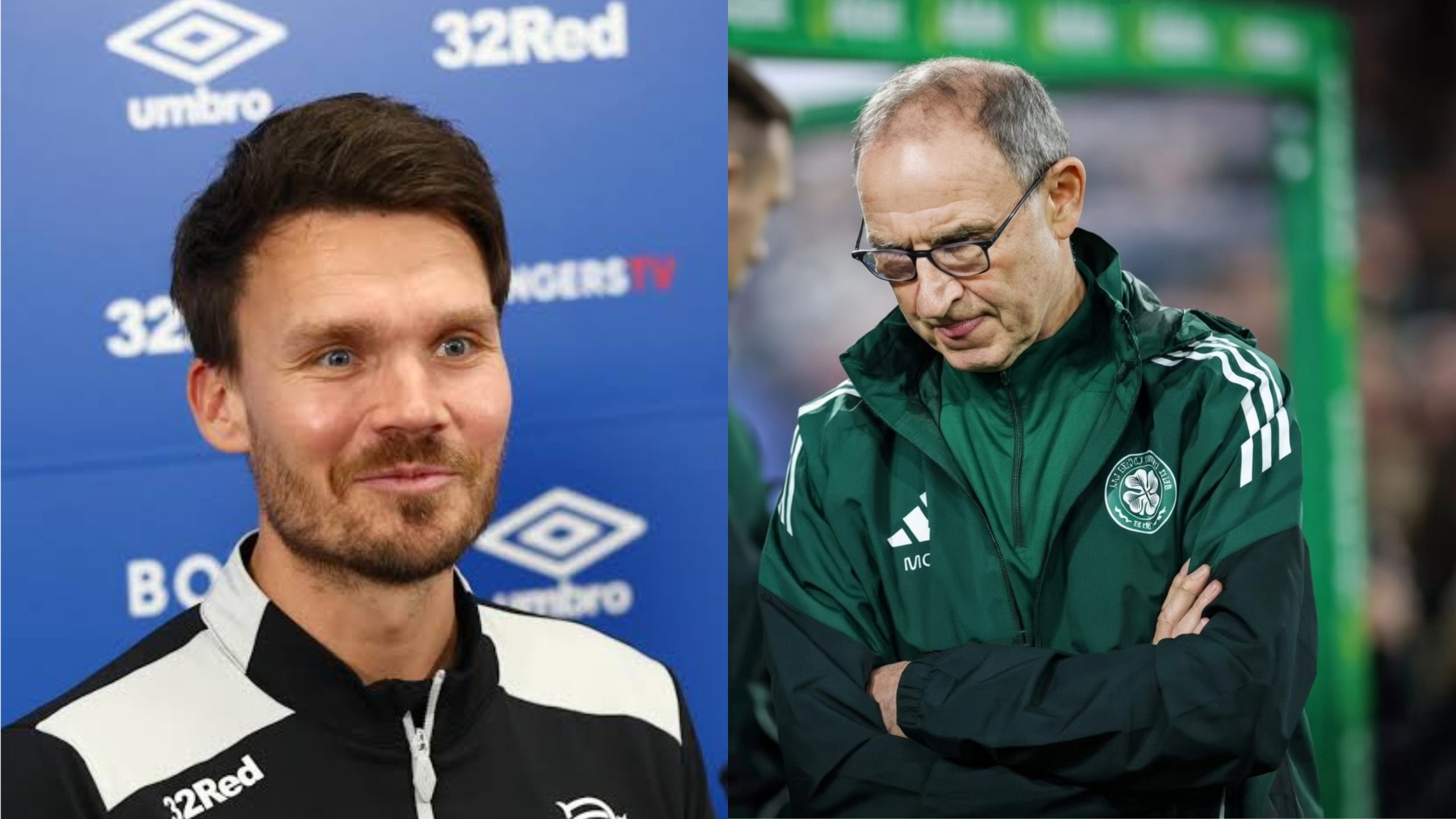
    The impact of this apparent hijack cannot be overstated. Rangers have long been portrayed as the club with renewed tactical clarity in the transfer market, visibly learning from previous windows where key targets slipped through their fingers. Under manager Danny Rohl, the Light Blues have embarked on a systematic rebuilding of their squad, prioritising early agreement on key targets and leveraging financial muscle where necessary.

    Indeed, Rangers have already made notable acquisitions this January. They secured Danish midfielder Tochi Chukwuani from Sturm Graz, bolstering their central options in a deal worth over £4 million. More significantly, the club have completed a deal for Danish international winger Andreas Skov Olsen, landing him on loan from Bundesliga side Wolfsburg with an option to buy — an acquisition that reportedly involved a “big financial offer” to persuade the German outfit to part ways.

    Such strides contrast starkly with Celtic’s flurry of tentative links and half-hearted negotiations. Despite persistent reports linking Celtic with names ranging from West Ham’s Callum Wilson to Leeds United forward Joel Piroe, none has yet translated into a confirmed deal, leaving supporters to wonder how the Hoops’ recruitment strategy has faltered so badly.

    Celtic’s Internal Turmoil and Transfer Malaise
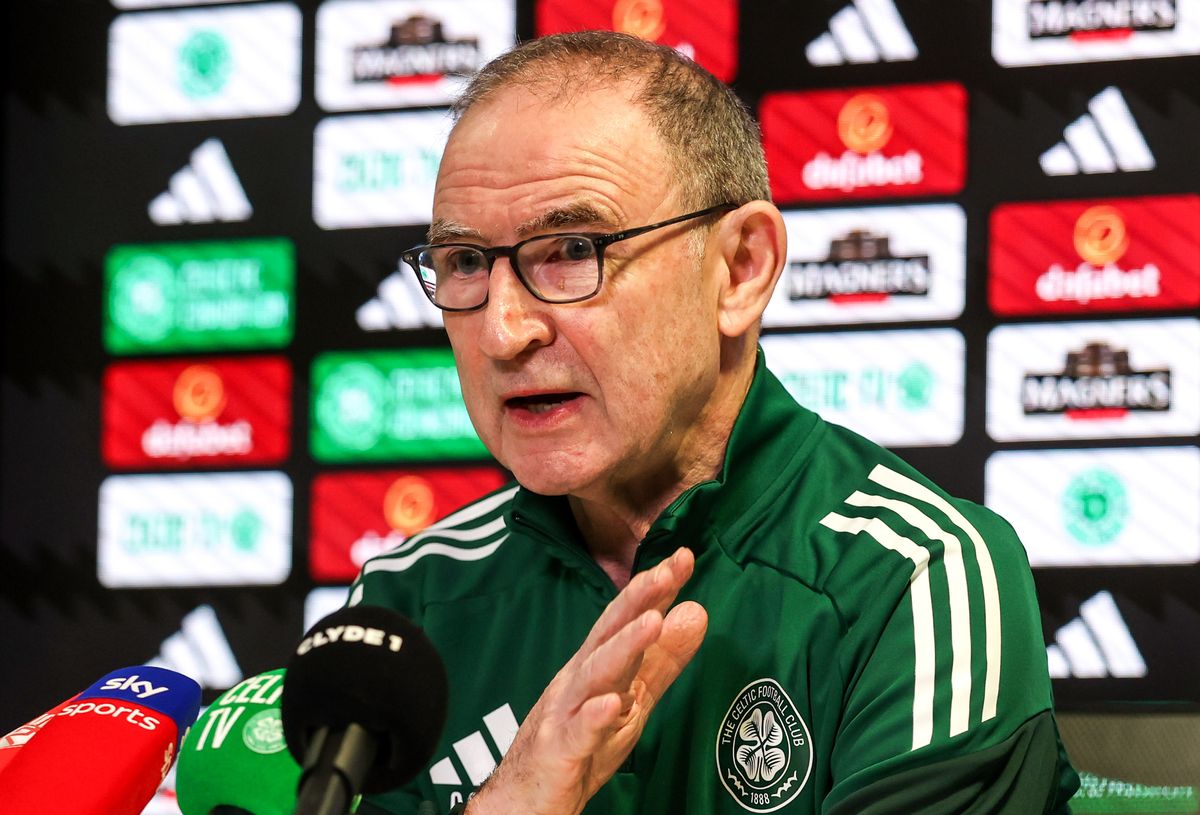
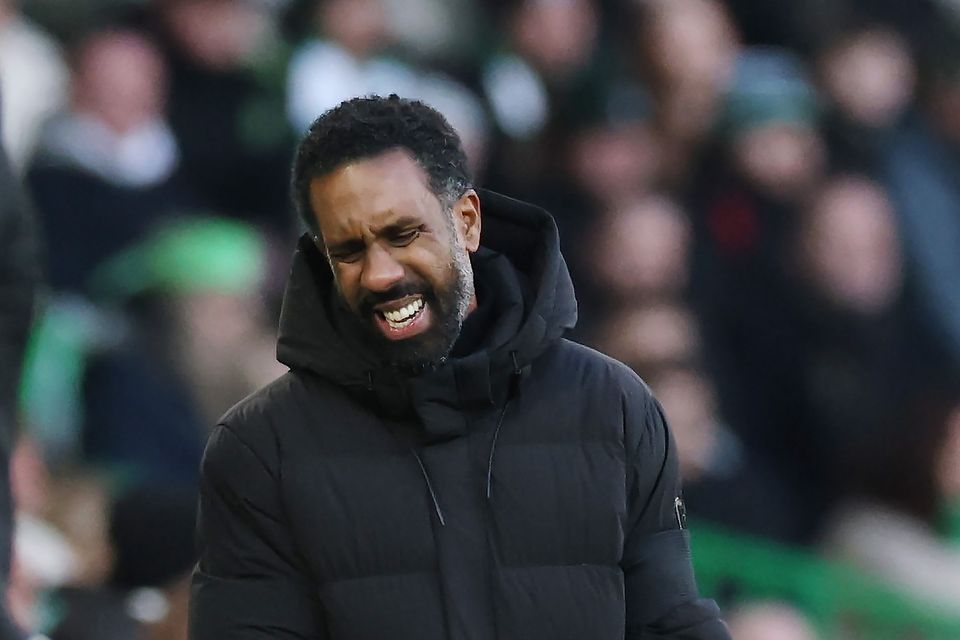
    Celtic’s struggles in the market cannot be divorced from their wider club unrest. After a damaging Old Firm defeat at Parkhead left fans openly hostile towards the board and coaching staff, Celtic’s hierarchy responded by sacking manager Wilfried Nancy after just eight games in charge. That decision, a rare and dramatic shift mid-season, saw Martin O’Neill reinstalled as interim manager with hopes that his experience could stabilise the club and accelerate transfer business.

    Paradoxically, despite O’Neill’s involvement in recruitment efforts, Celtic still appear several steps behind their rivals. O’Neill himself has publicly conceded the club needs reinforcements and has faced limitations imposed by compressed timelines and a lack of prior groundwork. Meanwhile, frustration among the Celtic fanbase has boiled over, with social media abuzz over what many perceive as repeated strategic errors by the board and technical staff.

    Part of the criticism stems from Celtic’s inability to convert interest into firm offers. In one increasingly surreal twist, supporters were reportedly baffled by discussions linking Celtic to a Leeds United forward, only for Reuters and local reports to highlight the potential conflict of interest with Leeds’ vice-chairman also serving in a senior role with Rangers — adding another layer of complexity to the Hoops’ already troubled window.

    Rangers’ Market Momentum and Tactical Edge
    By stark contrast, Rangers have approached the window with a clarity and aggressiveness that underline their league ambitions. Identifying and prioritising targets early, offering competitive contracts, and demonstrating willingness to invest have given the club a tactical edge that Celtic currently lacks. Beyond Skov Olsen and Chukwuani, the club reportedly maintains interest in additional reinforcements, including offensive and defensive options that could define the second half of the season.

    This methodical approach is reflective of Rangers’ broader evolution over the past 18 months. The club’s leadership has publicly acknowledged past transfer mistakes — including an overly cautious approach to physicality and squad balance — and has since pivoted to a more proactive model. Even within the fiercely partisan Scottish media, commentators have drawn a clear line between the calculated moves of Rohl’s transfer committee and Celtic’s last-minute scramble for signings.
    The Scottish Sun
    Broader Implications for the Premiership Title Race
    The ramifications transcend mere transfer gossip. At a time when Hearts lead the Premiership and both Glasgow giants find themselves level on points, the window’s outcomes could be decisive in the title race. Rangers’ more complete business thus far provides them with momentum — not only in squad depth but in morale and narrative — a factor that can exert real influence over league performance in a compressed schedule. Meanwhile, Celtic’s ongoing malaise risks entrenching a perception of decline at Parkhead, ironically weakening the club’s bargaining position in a window where quick action matters.

    Fan Reaction and Future Prospects
    Supporter reaction has been emphatic. Celtic fans on forums and social media have expressed disbelief, anger and a sense of betrayal over a transfer market where rivals seem to scoop up the best talent with relative ease. One popular thread lamented that Celtic had effectively been “hijacked” out of deals that had seemed within reach — a description perfectly capturing the mood of frustration among the club’s global support base.

    For Rangers supporters, by contrast, the January developments offer a rare moment of optimism in a period that has otherwise seen mixed results on the pitch. Their loyalists view the club’s assertiveness in negotiations as symptomatic of a long-term vision now finally taking shape.
    Conclusion: A Transfer Window to Define a Season
    As the January window marches toward its conclusion, what was once expected to be a routine set of mid-season adjustments has instead revealed deep structural divides between Glasgow’s two giants. Rangers, by committing to bold bids and decisive execution, have not only strengthened their squad but delivered a psychological blow to Celtic. Whether Celtic can claw back these setbacks with late-window signings remains uncertain. What is clear, however, is that this transfer saga will be remembered as a turning point — a moment where Rangers seized the narrative, and Celtic were left to reflect on what might go down as one of the most chaotic transfer windows in recent history.

  • MAN CITY APPROACH CELTIC WITH WILD SWAP DEAL THAT’D BE ONE OF THE BEST PIECES OF BUSINESS THIS JANUARY.

    MAN CITY APPROACH CELTIC WITH WILD SWAP DEAL THAT’D BE ONE OF THE BEST PIECES OF BUSINESS THIS JANUARY.

    Manchester City and Celtic are reportedly on the verge of completing one of the most intriguing transfer deals of the January 2026 window — a wild swap that could reshape both clubs’ attacking options.

    With the transfer deadline approaching on February 2, sources suggest Pep Guardiola’s side are open to offloading fringe players to fund defensive reinforcements amid a mounting injury crisis. Recent losses to key defenders like Rúben Dias and Joško Gvardiol have left City vulnerable at the back, prompting Guardiola to seek urgent cover while managing squad depth in attack.

    City have already made a splash this window by securing Antoine Semenyo from Bournemouth in a £62.5m deal, adding physicality and pace to their forward line. However, this arrival has intensified speculation over the futures of young wingers like Oscar Bobb and Savinho, who have struggled for consistent minutes. Savinho, the Brazilian sensation signed from Girona in 2024, has shown flashes of brilliance but faces fierce competition in Guardiola’s stacked squad.

    Savinho is now at the center of the proposed swap. The 21-year-old dynamo, known for his electric dribbling and flair, would head to Celtic on a permanent or loan-plus-fee arrangement. In return, City could receive a promising talent or cash injection to bolster their defense. The move would represent shrewd business for both parties: City gain resources for pressing needs, while Celtic secure a high-potential star to ignite their attack.

    Martin O’Neill, recently reappointed as Celtic’s interim manager until the end of the season following Wilfried Nancy’s brief and turbulent tenure, will be excited to have him join his Celtic side. O’Neill, a legendary figure at Parkhead with a trophy-laden first spell from 2000-2005, has emphasized the need for quality additions to challenge league leaders Hearts. Savinho’s creativity and directness could perfectly complement Celtic’s high-tempo style, providing the spark O’Neill craves in domestic and European battles.

    For Guardiola, the deal underscores a pragmatic shift — prioritizing squad balance over hoarding talent. With City still in the Premier League title hunt despite defensive woes, this swap could prove masterful if it delivers the reinforcements Pep needs.

    As talks intensify, football fans on both sides of the border await confirmation of what could be one of January’s standout pieces of business.

  • CELTIC HAS JUST ANNOUNCED COMPLETE SIGNING OF £35M IRISH PLAYER,THEN MEDICAL ON MONDAY

    CELTIC HAS JUST ANNOUNCED COMPLETE SIGNING OF £35M IRISH PLAYER,THEN MEDICAL ON MONDAY


    Celtic are on the verge of sending shockwaves through Scottish football and beyond, with the club reportedly set to announce the completed signing of a £35 million Irish player named James, in what would go down as one of the most sensational transfers in the club’s modern history. According to multiple insiders close to the deal, all major negotiations have been finalised, personal terms agreed, and only the formalities remain — with a crucial medical examination scheduled for Monday before the official unveiling.

    If confirmed, this blockbuster move would not only smash Celtic’s previous transfer records but also send a clear and defiant message to rivals at home and in Europe: Celtic are thinking big, spending big, and planning bigger.

    A TRANSFER THAT NO ONE SAW COMING

    For weeks, rumours have quietly circulated about Celtic’s interest in a high-profile Irish international, but few believed the club would push the button on a deal reportedly worth £35 million. The Scottish Premiership giants are not traditionally known for spending at that level, making this potential acquisition all the more jaw-dropping.

    The player in question — James, an Irish star with a growing reputation across Europe — has long been tipped as one of the brightest talents to come out of Ireland in recent years. His performances have attracted attention from clubs in the Premier League, Serie A, and Bundesliga, yet it is Celtic who now appear to have won the race.

    According to sources, Celtic’s board have been working behind the scenes for months, carefully structuring the deal to make it financially viable while ensuring it meets UEFA sustainability regulations. The result? A statement signing that could redefine Celtic’s ambitions.

    WHO IS JAMES AND WHY IS HE WORTH £35 MILLION?

    While Celtic fans are still pinching themselves, many are asking the same question: who exactly is James, and why is he valued so highly?

    James is widely regarded as one of Ireland’s most complete modern players — technically gifted, tactically intelligent, and physically imposing. Known for his versatility, he can operate across multiple positions, making him a dream signing for any ambitious manager.

    At just the right age to combine experience with long-term potential, James has already built a reputation as a big-game performer. His ability to control matches, drive forward under pressure, and deliver decisive moments has made him a fan favourite wherever he has played.

    Scouts describe him as:

    • Elite on the ball
    • Composed under pressure
    • A natural leader
    • Capable of changing games single-handedly

    In today’s inflated transfer market, £35 million is the price of elite potential — and Celtic appear convinced that James is exactly that.

    CELTIC’S INTENTIONS ARE CLEAR: DOMINANCE AT HOME AND PROGRESS IN EUROPE

    This move is about far more than just winning the Scottish Premiership.

    Celtic’s struggles in European competition have been well documented in recent seasons. Despite domestic success, the club has often found itself outmatched against Europe’s elite. The signing of James signals a shift in mentality — from survival to competition.

    Club insiders suggest the manager personally pushed for this deal, identifying James as a cornerstone player capable of elevating Celtic’s performances in the Champions League and Europa League.

    By investing £35 million, Celtic are effectively declaring that:

    • Domestic dominance is no longer enough
    • European credibility is now a priority
    • The club is ready to compete financially with bigger leagues

    MEDICAL ON MONDAY: THE FINAL HURDLE

    With negotiations complete, attention now turns to Monday’s medical, the final step before the official announcement.

    The medical is expected to be thorough, given the size of the investment involved. Celtic’s medical team will conduct extensive physical assessments, fitness tests, and injury history evaluations to ensure there are no red flags.

    Sources close to the player remain confident, insisting James is in peak physical condition and eager to complete the move.

    If all goes to plan, Celtic could unveil their new star within 24 hours of the medical — potentially alongside an official photoshoot at Celtic Park, interviews with club media, and a statement that will dominate headlines across the UK and Ireland.

    FAN REACTION: SHOCK, EXCITEMENT, AND SKY-HIGH EXPECTATIONS

    Unsurprisingly, Celtic fans have taken to social media in disbelief.

    Many supporters have described the deal as:

    • “Unreal”
    • “A game-changer”
    • “The biggest statement Celtic have made in decades”

    Some fans are already debating where James fits into the starting XI, while others are dreaming of famous European nights under the lights at Celtic Park with their new Irish star pulling the strings.

    However, with a £35 million price tag comes massive expectations. James will arrive not just as a new signing, but as a symbol of Celtic’s ambition — and he will be judged accordingly.

    RIVALS LEFT STUNNED AS CELTIC FLEX FINANCIAL MUSCLE

    The shockwaves from this transfer extend far beyond Celtic Park.

    Rival clubs, particularly Rangers, are said to be watching developments closely. A deal of this magnitude raises serious questions about the balance of power in Scottish football.

    Pundits have already begun debating whether this signing could tilt the title race decisively in Celtic’s favour — or whether the pressure of such a massive fee could backfire.

    One thing is certain: Celtic’s rivals did not expect this.

    WHAT THIS MEANS FOR THE DRESSING ROOM

    Beyond tactics and finances, James’ arrival could have a significant impact inside the dressing room.

    Known as a strong personality and natural leader, he is expected to command respect instantly. Younger players could benefit immensely from training alongside him, while established stars may feel challenged to raise their own standards.

    There are also suggestions that this signing could trigger a domino effect — encouraging other high-profile players to consider Celtic as a serious destination rather than a stepping stone.

    A HISTORIC MOMENT IN THE MAKING

    If and when the deal is officially confirmed, it will represent a historic moment for Celtic Football Club.

    A £35 million Irish signing is not just a transfer — it is a statement of intent, a shift in identity, and a bold gamble on the future.

    Success will ultimately be measured on the pitch. Goals, assists, clean sheets, trophies, and European nights will define James’ legacy. But for now, Celtic fans can allow themselves a moment of excitement — because moments like this do not come around often.

    FINAL THOUGHTS: MONDAY COULD CHANGE EVERYTHING

    As Monday approaches, anticipation continues to build. One medical stands between Celtic and the most ambitious signing in their recent history.

    Should James pass his medical and put pen to paper, Scottish football may never look the same again.

    Celtic are not just signing a player — they are signing belief, ambition, and a future built on fearless intent.

    All eyes now turn to Monday. 🍀

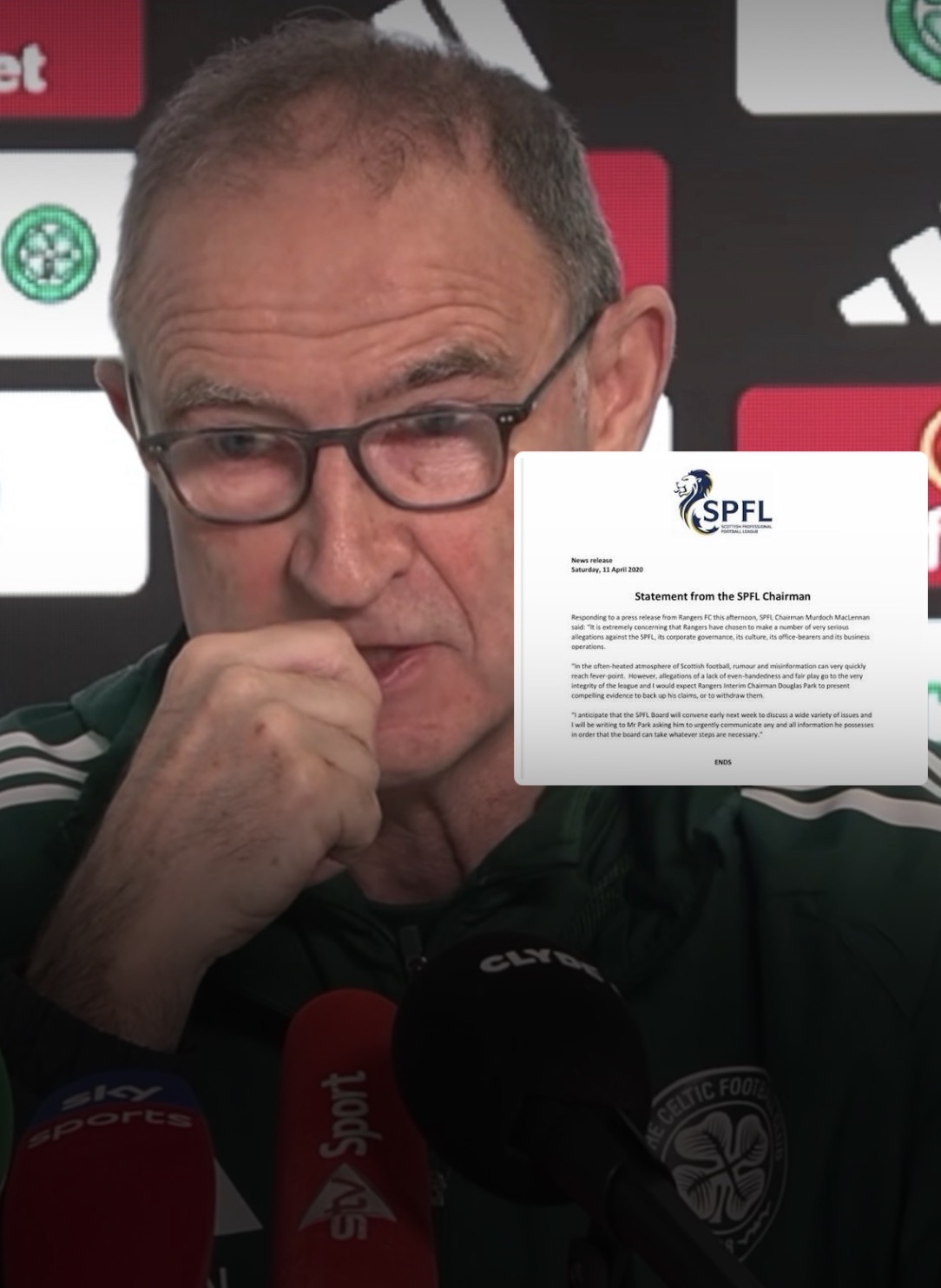
  • CELTIC ON THE VERGE OF FACING ANOTHER BIG FINANCIAL PANDEMONIUM AS SPLF RELEASE STATEMENT REGARDING THEIR MANAGEMENT SITUATION AND RECENT TRANSFER MOVES

    CELTIC ON THE VERGE OF FACING ANOTHER BIG FINANCIAL PANDEMONIUM AS SPLF RELEASE STATEMENT REGARDING THEIR MANAGEMENT SITUATION AND RECENT TRANSFER MOVES

    CELTIC ON THE VERGE OF FACING ANOTHER BIG FINANCIAL PANDEMONIUM AS SPLF RELEASE STATEMENT REGARDING THEIR MANAGEMENT SITUATION AND RECENT TRANSFER MOVES

    Scottish football has been rocked once again, and at the center of the growing storm stands Celtic Football Club. Just when supporters believed the club was stabilizing both on and off the pitch, a dramatic statement released by the SPLF has sent shockwaves through the Celtic fanbase and wider football community. The warning signs are flashing red, and many are now asking the same unsettling question: Is Celtic heading toward another major financial pandemonium?

    The SPLF’s statement, while carefully worded, was anything but reassuring. It raised pointed concerns about Celtic’s current management structure, internal decision-making processes, and the club’s recent transfer dealings. Although no immediate sanctions were announced, the undertone of the release suggests that Celtic’s leadership is under intense scrutiny—and that alone has triggered widespread anxiety among supporters and pundits alike.

    At the heart of the issue is Celtic’s management situation, which insiders describe as increasingly fragmented. Behind the scenes, sources claim there is growing tension between executive leadership and football operations. Strategic disagreements, delayed decisions, and unclear chains of authority have reportedly begun to affect long-term planning. In elite football, instability at the top almost always trickles down, and Celtic appear to be experiencing exactly that.

    Financial concerns are now impossible to ignore. While Celtic remain one of the most commercially powerful clubs in Scotland, recent spending patterns have raised eyebrows. The club has been active in the transfer market, but not necessarily in a way that inspires confidence. Several signings have arrived on significant wages without delivering consistent performances, while other valuable assets have been allowed to leave for fees that many believe fall well below market value. The SPLF statement subtly referenced “unsustainable operational decisions,” a phrase that has fueled fears of mismanagement and potential regulatory consequences.

    Supporters are particularly alarmed because this is not unfamiliar territory. Celtic fans vividly remember previous periods of financial turbulence, when poor planning and misaligned priorities left the club playing catch-up both competitively and economically. The idea that history could be repeating itself has sparked intense debate across social media, fan forums, and sports radio.

    Equally troubling is the timing of this controversy. Celtic are currently navigating a crucial phase of the season, where stability is essential for success domestically and in Europe. Any distraction—especially one involving finances and governance—could derail momentum on the pitch. Players sense uncertainty, managers feel pressure, and rivals smell opportunity. The SPLF’s intervention, intentional or not, has poured fuel on an already smoldering fire.

    Critics argue that Celtic’s recent transfer strategy reflects short-term thinking rather than a coherent long-term vision. Instead of investing in sustainable growth, youth development, and smart recruitment, the club appears caught between competing philosophies. This lack of clarity often leads to wasted resources, bloated wage bills, and, ultimately, financial strain—exactly the scenario the SPLF seems keen to prevent.

    For now, Celtic’s board has responded with measured words, insisting that the club remains financially sound and compliant with all league regulations. However, fans are no longer satisfied with reassurances alone. They want transparency, accountability, and a clear plan forward. Silence or vague statements will only intensify speculation and fear.

    As the situation continues to unfold, one thing is certain: Celtic are at a crossroads. The SPLF’s statement may prove to be a precautionary warning—or the first tremor before a much larger earthquake. Whether the club can steady itself or slide into another era of financial pandemonium will depend on the decisions made in the coming weeks.

    For Celtic supporters, the hope is simple yet urgent: that lessons from the past are finally being applied, and that this storm can be weathered before it becomes a full-blown crisis.

  • THE SPFL RELEASE WHAT ARNE ENGELS SAID TO JAYDEN MEGHOMA ON THE PITCH,IT IS TERRIBLE,GAME TRUELY GONE

    THE SPFL RELEASE WHAT ARNE ENGELS SAID TO JAYDEN MEGHOMA ON THE PITCH,IT IS TERRIBLE,GAME TRUELY GONE


    Weeks after one of the most explosive Old Firm derbies in recent memory, Scottish football has been dragged back into the chaos once again. Just when emotions had begun to cool following Rangers’ emphatic 3–1 victory, the SPFL’s latest disclosure has reopened old wounds, reignited fan fury, and sent shockwaves across the country.

    At the centre of the storm?

    A shocking on-pitch exchange between Celtic midfielder Arne Engels and Rangers youngster Jayden Meghoma—words that many are now calling “disgraceful”, “unacceptable”, and proof that the “game is truly gone.”

    What was said, why it took weeks to emerge, and how it changes the narrative of that infamous derby has become the hottest talking point in Scottish football.

    A DERBY THAT NEVER REALLY ENDED

    The Old Firm clash itself had everything: goals, controversy, flashpoints, VAR debates, and raw emotion spilling over from the first whistle to the last. Rangers’ 3–1 win at Celtic Park was already being hailed as a statement victory—one that shifted momentum, dented Celtic pride, and reignited belief among the Ibrox faithful.

    But even on the day, it was clear something darker was brewing beneath the surface.

    Players squared up chest-to-chest. Tempers flared after late challenges. Several confrontations went unpunished. And in one moment—captured only partially by broadcast cameras—Jayden Meghoma was seen reacting visibly to something said by an opponent.

    At the time, it was brushed aside as “derby passion”.

    Now, weeks later, it looks far more serious.

    THE MOMENT CAUGHT ON CAMERA

    During a second-half stoppage, with Rangers firmly in control of the match, Arne Engels and Jayden Meghoma came together near the touchline. What initially looked like routine jostling quickly escalated.

    Meghoma’s reaction was immediate. He pulled away. His body language changed. Teammates rushed in. Celtic players crowded the scene. The referee intervened—but no cards were shown.

    Broadcasters replayed the physical contact.

    What they didn’t replay was the conversation.

    That silence has now been broken.

    SPFL DISCLOSURE SENDS SHOCKWAVES

    According to reports released following an SPFL review of referee and match delegate submissions, the league has now acknowledged the exact words Arne Engels directed at Jayden Meghoma during that flashpoint.

    While the SPFL stopped short of officially charging the Celtic midfielder, the wording included in the report has stunned supporters across the divide.

    The phrase—described by sources as “deeply personal, provocative, and entirely unnecessary”—was reportedly aimed at undermining Meghoma on a human level, not a footballing one.

    Though not repeated verbatim in official statements, insiders claim it crossed a line that goes far beyond normal sledging.

    Fans didn’t need to hear the exact wording to reach a verdict.

    Social media erupted within minutes.

    “That’s not football banter.”

    “That’s disgraceful.”

    “If that’s true, the game is genuinely gone.”

    RANGERS FANS: “NO WONDER HE REACTED”

    For Rangers supporters, the disclosure has sparked anger—but also vindication.

    Many had questioned why Meghoma appeared so shaken during the incident, especially considering his age and relative inexperience in Old Firm fixtures. Now, fans believe they finally have their answer.

    “People mocked the lad for overreacting. Turns out he was provoked in the worst way possible,” one supporter wrote.

    Others pointed to the lack of immediate punishment.

    “If roles were reversed, there would’ve been a red card, a ban, and wall-to-wall coverage.”

    The feeling among the Rangers fanbase is clear: this wasn’t just derby heat—it was something far uglier.

    CELTIC FANS DIVIDED

    On the other side of the divide, reaction has been mixed.

    Some Celtic supporters have dismissed the report as exaggerated, insisting that Old Firm matches have always involved verbal warfare.

    “If players can’t handle words, they shouldn’t play derbies,” argued one fan.

    But others are less comfortable.

    A growing section of the Celtic support has questioned why Engels wasn’t immediately disciplined—or why the club hasn’t addressed the situation publicly.

    “If he said what’s being suggested, it’s indefensible,” admitted another supporter.

    “No badge excuses that.”

    The silence from Celtic Park has only fuelled speculation.

    WHY DID IT TAKE WEEKS?

    One of the biggest questions hanging over the story is timing.

    Why did it take weeks for this information to emerge?

    Critics have accused the SPFL of trying to quietly bury the issue, releasing the details only after public pressure and internal reviews made silence impossible.

    Former referees and pundits have weighed in, suggesting that such disclosures often happen long after the headlines fade—minimising backlash while technically ticking procedural boxes.

    That explanation hasn’t satisfied fans.

    “Transparency delayed is transparency denied,” one pundit said bluntly.

    “THE GAME IS TRULY GONE”

    Those five words have echoed across Scottish football since the report surfaced.

    For many, this incident symbolises a wider problem: escalating behaviour, inconsistent discipline, and a failure to protect players—especially younger ones—from unacceptable abuse.

    This wasn’t a reckless tackle.

    It wasn’t a mistimed challenge.

    It was words—deliberate, targeted, and personal.

    And for a league already under scrutiny, it’s another black mark.

    THE IMPACT ON THE RESULT

    Lost amid the controversy is the football itself.

    Rangers’ 3–1 win was commanding. Clinical finishing, tactical discipline, and ruthless efficiency dismantled Celtic on their own turf. It was a result that should have been remembered for footballing reasons.

    Instead, it’s now forever linked to an ugly subplot.

    Some Celtic fans have even suggested the incident disrupted their team’s focus—a claim Rangers supporters have laughed off.

    “Don’t blame words for a 3–1 defeat,” one fan responded.

    “We outplayed you. Simple.”

    WHAT HAPPENS NEXT?

    As of now, no retrospective punishment has been announced.

    But pressure is mounting.

    Pundits are calling for clearer guidelines on verbal abuse.

    Fans are demanding consistency.

    And players—on both sides—are questioning where the line actually is.

    Jayden Meghoma, notably, has remained silent since the story broke. Many see that silence as dignified. Others see it as telling.

    A DERBY THAT WILL HAUNT THE SEASON

    Old Firm matches always live on in memory—but not always for the right reasons.

    This one now carries an extra layer of bitterness. A victory overshadowed. A rivalry inflamed. And a moment that has forced uncomfortable conversations about respect, accountability, and where Scottish football is heading.

    As fans argue, pundits debate, and the SPFL scrambles to justify its handling of the situation, one thing is certain:

    This story isn’t going away.

    Because when words on a football pitch become more controversial than the goals scored, it’s no longer just about rivalry.

    For many watching, listening, and reacting, the verdict has already been delivered:

    The game truly is gone.

  • CELTIC FIRST JANUARY TRANSFER CONFIRMED BY FABRIZIO ROMANO AS OFFICIAL DOCUMENTS SIGNED UNDER MARTIN O’NEILL

    CELTIC FIRST JANUARY TRANSFER CONFIRMED BY FABRIZIO ROMANO AS OFFICIAL DOCUMENTS SIGNED UNDER MARTIN O’NEILL

    In one of the most dramatic twists of the January 2026 transfer window, Celtic Football Club has finally confirmed its first signing of the month — and the football world is buzzing. According to reports widely circulated by transfer guru Fabrizio Romano, official documentation has been finalized and signed under the stewardship of interim manager Martin O’Neill, marking a pivotal moment for the Parkhead club in a season that has already seen managerial upheaval and fan unrest.
    A Club in Turmoil — And a Transfer to Match the Moment
    Celtic entered the January window amid one of the most turbulent spells in recent memory. Following a disastrous run in the Scottish Premiership, which saw Wilfried Nancy relieved of his duties after just 33 days, the legendary Martin O’Neill was reinstated as interim head coach. O’Neill’s mandate is clear: steady the ship, reenergize the squad, and drive Celtic back toward domestic and European relevance.

    Yet this challenge comes with a problem — Celtic’s roster desperately needs reinforcements. Injuries and form dips across key positions have left supporters worried, pundits talking, and rivals circling. Into this pressure cooker comes Celtic’s first confirmed January transfer.
    The Signing: Julian Araujo Arrives at Celtic
    Celtic have officially secured Julian Araujo on loan from Premier League side Bournemouth — a defender with international experience and the potential to inject pace, discipline, and depth into a backline that has been lacking consistency.

    The deal sees Araujo arrive until the end of the season, providing Celtic with multiple tactical options. A Mexico international who has had spells in England, Spain, and the United States, Araujo’s career has been diverse — and now it intersects with one of Scottish football’s most storied institutions.
    In many ways, this move symbolizes Celtic’s urgency. Not only is it the club’s first January acquisition, but the fact that it was completed with documents already signed suggests a level of commitment to O’Neill’s vision that fans will be eager to embrace.
    Fabrizio Romano: Seamlessly Confirming the Story
    One of the defining features of this transfer has been how it entered the public domain. Rather than speculative chatter or anonymous tips, the confirmation came from Fabrizio Romano himself — one of the most recognized and reliable figures in football transfer reporting. Whenever Romano conditions a deal with “official documents signed,” the world of football knows that the move is essentially done — and Celtic’s announcement aligns with that pattern.
    This is hugely significant not just for Araujo’s arrival but for the credibility it brings to Celtic’s January strategy. Romano’s track record of accurate transfer confirmations lends weight to this being much more than a footnote — it could be the beginning of a critical correction in Celtic’s season trajectory.
    What Araujo Brings to Celtic
    From a tactical perspective, Araujo’s versatility is among his biggest assets. He can operate as a fullback or wingback, quick in transition and capable of overlapping in attacking phases — qualities that have become increasingly valuable in modern football.
    Defensively, Araujo brings athleticism and positional awareness that Celtic have been sorely missing at times this season. Given Celtic’s injury issues in central defense, the ability to deploy him across multiple roles makes him a real asset rather than a niche signing.
    But beyond the pitch, this signing also conveys intent. It signals to the supporters that Celtic are not afraid to act, even if bigger names are yet to come.
    Fans React: Relief, But Still Hungry for More
    Unsurprisingly, reactions among the Celtic faithful have been mixed — enthusiastic about finally concluding business, yet insistent that this should only be the start.
    Many fans expressed huge relief that the club could get its first transfer over the line, especially after the departure of Nancy and the media noise surrounding internal friction. For a supporter base that thrives on top-tier competitiveness and European nights at Celtic Park, any positive movement is often magnified in stature.
    Yet others pointed out that one loan signing — even from a Premier League outfit — may not be enough to address Celtic’s deficiencies, particularly in attack and central midfield. Rumors continue to swirl around possible targets, some close to an agreement according to reports circulating across independent news sites and broadcaster speculation.

    The O’Neill Effect: Leadership in January
    Interim boss Martin O’Neill returns to Celtic with a reputation — a manager who knows this club inside and out, who understands the culture and expectations of Celtic supporters. His previous spells were fundamentally successful, and there’s every reason to believe he could once again steady this ship.
    O’Neill’s public comments in early January acknowledged that winning the Scottish Premiership would be difficult, but he has implored the board and recruitment team to secure significant additions before the window closes.

    With Araujo now on board, O’Neill’s focus will shift to blending new recruits into his tactical setup — a delicate balance between honoring Celtic’s traditional attacking ethos and shoring up defensive vulnerabilities that have plagued them.
    What’s Next?: Rumours, Targets, and the Transfer Chase
    While the Araujo deal is now official, it’s far from the only story in Celtic’s January narrative.
    Reports today suggest that Celtic beat Wolverhampton Wanderers in the race to sign Canadian defender Niko Sigur, with the deal one step away from completion — though the recent managerial shuffle temporarily stalled proceedings.

    Elsewhere, football intelligence outlets (and the BBC, via syndicated reports) suggest Celtic are also close to securing a striker — another key priority given their current scoring struggles.

    The sensation surrounding a possible return of Kyogo Furuhashi — the hero striker whose success with the club earlier this decade made him a fan favorite — only adds fuel to the fire. Reports indicate O’Neill may be pushing hard to bring him back on loan as well.

    Whether Celtic can close one or more of these additional deals will define January for them more than Araujo’s arrival.
    Conclusion: Ahuge Milestone — But the Story Isn’t Over
    Celtic’s first confirmed January transfer is now in the books. Julian Araujo’s loan move has been finalized and announced, with Fabrizio Romano’s confirmation and official documentation representing a positive stride forward for the club.
    Yet if this window is truly to reflect Celtic’s ambition — especially under Martin O’Neill’s revived leadership — then this signing must represent a starting point rather than a finale.
    Fans, pundits, and rivals alike will now be watching closely. Will Celtic press for more reinforcements — particularly in attack and creativity? Can O’Neill mold a struggling squad into title contenders? And what next bombshells might drop as the January window hurtles toward its climax?
    One thing is certain: this saga is far from over. And in the world of football transfer drama, it’s only just heating up.

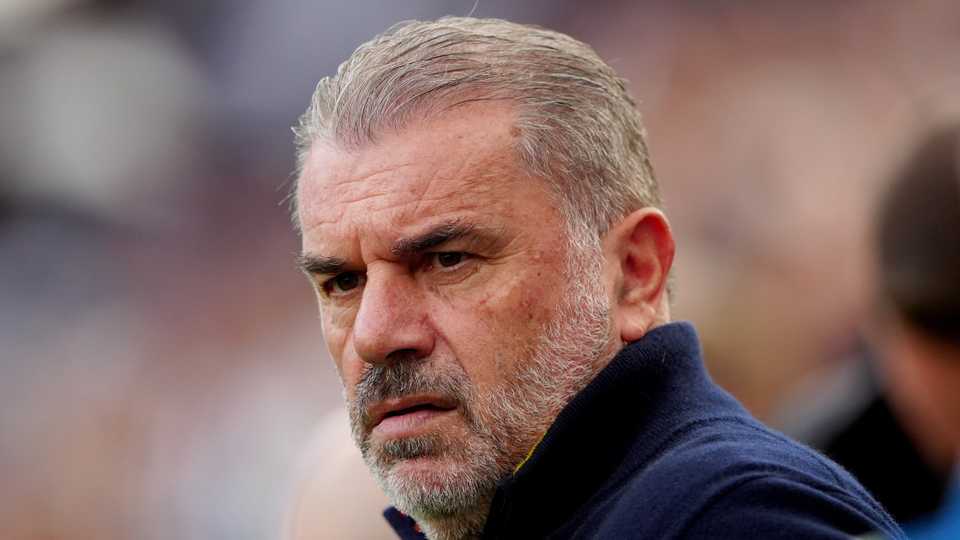
  • ANGE POSTECOGLOU MAKES DECISION ON RETURNING TO CELTIC AS INTERIM MANAGER NAMED

    ANGE POSTECOGLOU MAKES DECISION ON RETURNING TO CELTIC AS INTERIM MANAGER NAMED

    Celtic are in the hunt for a new manager after sacking Wilfried Nancy, and GIVEMESPORT understands that Ange Postecoglou is not interested in returning to the club.
    Nancy was relieved of his duties on Monday after a disappointing start to his tenure at Celtic Park. Their recent result against rivals Rangers, where they suffered a 3-1 defeat at home, was clearly the final nail in the coffin, and he departed after just over a month in charge of the Glasgow giants.
    It’s no surprise that Celtic have opted to make a change as they desperately try to save their season. The Bhoys currently sit in second position in the Scottish Premiership table, six points behind Hearts at the top of the table.

    Ange Postecoglou Makes Celtic Decision

    According to GIVEMESPORT sources, Postecoglou is not interested in returning to Celtic to replace Nancy. The former Tottenham Hotspur manager was approached to rejoin the club before Nancy was appointed, and GIVEMESPORT understands that he remains uninterested in making his return.
    Celtic have now confirmed that Martin O’Neill will be in charge of the club until the end of the season, returning to the club following his departure in December. O’Neill was in interim charge following Brendan Rodgers’ departure, before leaving to be replaced by Nancy.
    Speaking on being reappointed, O’Neill expressed how pleased and honoured he was to be asked to manage the Glasgow club once again.
    “I am really pleased, in fact, very honoured to be asked back to manage the team again and I am looking forward to getting back to work again with the players. I know we would all have hoped for things to have worked out differently under Wilfried and I personally want to wish him good luck with everything he does in the game. He is a fine man and I am sure he will go on and achieve success again, I have no doubt of that.”

    Brian Wilson Speaks Out on Martin O’Neill Appointment

    Speaking on the second interim appointment of O’Neill this season, Celtic’s interim chairman Brian Wilson said…
    “By bringing Martin back to the club, we look forward with confidence, giving the team real focus for the challenges ahead. He is a manager the players, staff and supporters know well, with a peerless reputation in football and a deep commitment to Celtic.”
    Wilson also discussed the sacking of Nancy, wishing him and his family well for the future, stressing his ‘intense disappointment’ that it didn’t work out for him at Celtic.
    “The way things worked out for Wilfried Nancy is an intense disappointment, not least from a purely human perspective. We wish him and his family well.”

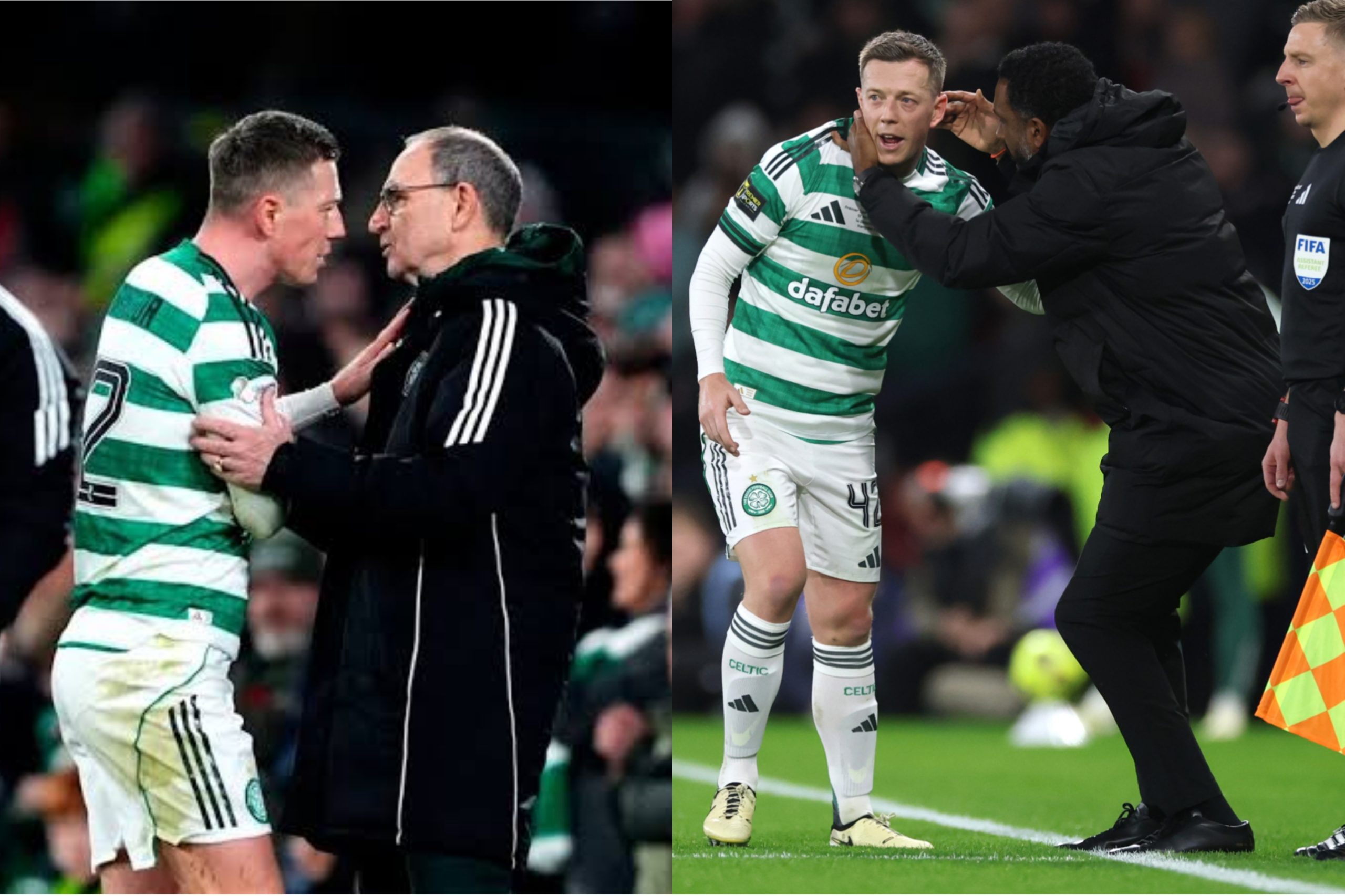
  • CALLUM MCGREGOR BREAKS SILENCE WITH SHOCKING STATEMENT ON WILFRED NANCY SACKING AND MARTIN O’NEILL REAPPOINTMENT

    CALLUM MCGREGOR BREAKS SILENCE WITH SHOCKING STATEMENT ON WILFRED NANCY SACKING AND MARTIN O’NEILL REAPPOINTMENT

    In a season already defined by turbulence, uncertainty and emotional extremes, Celtic supporters have been left stunned once again after club captain Callum McGregor finally broke his silence on two of the most divisive issues to grip the club in recent times: the controversial sacking of Wilfred Nancy and the dramatic reappointment of Martin O’Neill. What initially appeared to be routine end-of-season reflection quickly escalated into a moment that may come to define the direction of the club for years to come.
    McGregor, a player synonymous with composure and diplomacy, rarely ventures into public commentary on boardroom decisions. That is precisely why his latest remarks have ignited such intense debate. For a fanbase already fractured by managerial upheaval and philosophical disagreements about the club’s identity, the captain’s words landed with the force of a thunderclap.
    A dressing room kept in the dark?
    Speaking after training, McGregor acknowledged that the decision to part ways with Wilfred Nancy came as a shock to the playing squad. While careful not to directly criticise the board, his tone suggested deep frustration at the lack of transparency surrounding the process.
    “There was a feeling we were building something,” McGregor stated. “Results don’t always tell the full story, and sometimes progress isn’t linear.”
    That single sentence has been interpreted by many as a thinly veiled defence of Nancy, whose modern tactical approach had divided opinion but was increasingly admired by analysts and sections of the support. McGregor’s emphasis on “building” has fuelled claims that the squad believed Nancy deserved more time, particularly given the transitional nature of the season.
    Within minutes of the comments circulating online, supporters began questioning whether the sacking was driven more by short-term pressure than long-term vision.
    The Nancy era: unfinished business
    Wilfred Nancy’s tenure, though brief, represented a philosophical shift. His emphasis on positional play, fluid structures and technical bravery marked a departure from the pragmatic, high-intensity styles Celtic fans had grown accustomed to. While performances were inconsistent, many believed the foundations of a progressive team were being laid.
    McGregor’s remarks appeared to validate that view. By stressing the importance of patience and continuity, the captain implicitly raised doubts about whether the club hierarchy truly aligned with the footballing project they had appointed Nancy to deliver.
    For a leader who has seen multiple managerial cycles at Celtic Park, such words carry significant weight. They hint at a recurring institutional problem: a reluctance to fully commit to change when immediate results falter.
    Martin O’Neill returns – romance or regression?
    If the sacking of Nancy split opinion, the reappointment of Martin O’Neill detonated it entirely. For some, O’Neill’s return represents a comforting embrace of the club’s most successful modern era. For others, it symbolises a dangerous retreat into nostalgia.
    McGregor addressed this head-on, offering comments that many have described as surprisingly candid.
    “Martin’s history here speaks for itself,” he said. “But football moves quickly, and the challenge is always about adapting.”
    That carefully balanced statement has been dissected endlessly. On the surface, it acknowledges O’Neill’s legendary status. Beneath it, critics hear a subtle warning: past success alone cannot guarantee future relevance.
    O’Neill’s original reign delivered domestic dominance and unforgettable European nights. However, the modern game’s tactical and physical demands have evolved dramatically since then. McGregor’s emphasis on adaptation suggests an awareness within the squad that sentimentality must not override innovation.
    A captain caught between loyalty and honesty
    What makes McGregor’s intervention so compelling is the position he occupies. As captain, he is expected to be the bridge between players, management and supporters. His comments therefore reflect not just personal opinion, but the emotional temperature of the dressing room.
    By neither fully endorsing the board’s decisions nor openly rebelling against them, McGregor has walked a delicate line. Yet, in doing so, he has arguably said more than any explicit criticism ever could. His words project uncertainty, and uncertainty at a club like Celtic is rarely well tolerated.
    Supporters have seized on his remarks as evidence that the players themselves are unconvinced by the club’s current trajectory. Whether fair or not, that perception has intensified scrutiny on the new managerial setup.
    Fan reaction: unity or fracture?
    Reaction to McGregor’s statement has been predictably polarised. Some fans have praised his honesty, viewing it as a rare glimpse into the internal consequences of boardroom decisions. Others have accused him of undermining stability at a critical moment.
    Social media has been awash with competing narratives: one portraying McGregor as a principled leader speaking uncomfortable truths, the other casting him as a figure caught between eras, unsure which future Celtic should pursue.
    What is undeniable is that his comments have reignited debate at a time when many expected calm acceptance of O’Neill’s return.
    What this means for Celtic’s future
    Beyond the headlines and outrage, McGregor’s words raise fundamental questions about Celtic’s identity. Is the club committed to evolving with modern football, even if that requires patience and short-term discomfort? Or is it destined to repeatedly seek refuge in familiar figures and proven formulas?
    The captain’s statement suggests that players are acutely aware of this crossroads. Their performances in the coming weeks will likely reflect whether belief has been restored or further eroded.
    For Martin O’Neill, the challenge is immediate and immense. He must not only deliver results but also convince a sceptical segment of the squad and support that his methods remain fit for purpose. For the board, McGregor’s comments should serve as a warning that communication and clarity are no longer optional luxuries.
    A moment that may define an era
    Callum McGregor did not shout, accuse or sensationalise. Yet his calm, measured words have arguably caused more disruption than any fiery outburst could have achieved. In breaking his silence, he has forced Celtic to confront uncomfortable truths about direction, identity and trust.
    Whether this moment becomes the catalyst for renewed unity or deeper division remains to be seen. What is certain is that McGregor’s “shocking statement” will be remembered as more than just another post-match quote. It may prove to be the moment when the fault lines within Celtic were finally exposed to the light.

  • WILFRED NANCY BREAKS SILENCE WITH SHOCKING STATEMENT AFTER CELTIC SACKING

    WILFRED NANCY BREAKS SILENCE WITH SHOCKING STATEMENT AFTER CELTIC SACKING

    In what has rapidly become one of the most startling managerial sagas in recent Scottish football history, Wilfried Nancy has emerged from the fallout of his abrupt dismissal by Celtic Football Club with a statement that has set social and sporting discourse ablaze. The developments surrounding Nancy’s tenure, dismissal, and subsequent public remarks reveal not only the intense pressures faced by managers at elite clubs but also the complex interplay between tactical philosophy, fan expectations, and institutional decision-making.
    A Short-Lived Reign Ends Abruptly
    Wilfried Nancy’s appointment as Celtic manager in early December 2025 was initially framed as a bold new chapter for the Scottish champions. The club secured Nancy on a two-and-a-half-year deal after his successful stint in Major League Soccer, notably winning the MLS Cup and other honours with Columbus Crew, and being recognised as one of the league’s most promising coaches.

    However, what unfolded in the ensuing weeks was a dramatic downturn in results and confidence. Over the course of just eight games, Nancy’s side secured only two victories while succumbing to six defeats across all competitions — a run that included a humiliating 3–1 loss to fierce rivals Rangers in the Old Firm derby.

    The club’s hierarchy, already under scrutiny following the departure of previous manager Brendan Rodgers, acted decisively. On 5 January 2026, Celtic announced that Nancy’s contract had been terminated with immediate effect — a decision that resulted in the shortest managerial tenure in the club’s 138-year history.

    Contextualising the Collapse
    To understand the ferocity of the reaction to Nancy’s tenure, it is essential to place the sacking within the broader competitive and cultural landscape of Scottish football. Celtic, as one of the nation’s dominant clubs, carries an expectation of domestic success and European competitiveness. Under Nancy, the team’s defensive frailties were on stark display: they conceded goals at an alarming rate, failed to maintain clean sheets, and saw a familiar league cushion shrink amid rising pressure from rivals.

    Beyond mere results, Nancy’s tactical overhaul — a transition toward a 3-4-3 formation — was interpreted by many observers as ill-fitted to the existing squad, particularly given the lack of a meaningful pre-season for integration. Critics argued that the squad’s composition did not align with the higher defensive line and positional demands inherent in his system, creating mismatches and structural vulnerabilities that opponents ruthlessly exploited.

    Moreover, the tactical regression was compounded by fan unrest and external pressure. Supporters staged protests outside Celtic Park following the Rangers defeat, highlighting their dissatisfaction not only with the results but also with the decision-making of the club board in hiring Nancy in the first place.

    The Shocking Statement: Nancy Speaks Out
    Amid the aftermath of his dismissal, Wilfried Nancy granted a rare statement that has rapidly circulated across media and supporter circles. In a detailed press release, he appeared to level critique not just at his own firing but at aspects of the professional environment and expectations that he felt had undermined his project before it could take hold.
    Nancy’s core assertions included:
    Challenges of Transitional Leadership: He contended that inheriting a squad mid-season, without a preparatory training period or transfer window support, significantly impeded his ability to implement systemic changes effectively.
    Perceived Mismatch in Expectations: He emphasised that Celtic’s leadership and fan base did not grant a “reasonable adaptation period” for his tactical philosophy — a claim that sparked debate about the limits of managerial patience at elite clubs.
    Reflection on Football Culture: Nancy’s statement further elaborated on the intense scrutiny and emotional volatility in European football environments, suggesting that short-term results often overshadow long-term strategy and player development.
    While some pundits saw these claims as defiant and self-justifying, others interpreted them as pointing to deeper structural issues within clubs like Celtic, where immediate success is often mandated regardless of contextual constraints.
    Reactions from the Football Community
    Nancy’s public remarks have elicited a spectrum of reactions:
    Supporters of Analytical Patience argued that his critique highlighted a broader misalignment in modern football between tactical innovation and managerial tenure security. They noted that historically, teams that undergo systemic transitions require time and structural backing, especially when competing on multiple fronts.
    Traditionalists and Pragmatists countered that in a results-driven environment, tactical infusion must deliver rapid improvements — especially at a club with Celtic’s expectations. For them, the outcomes under Nancy’s regime were simply untenable, irrespective of context or philosophy.
    Media and Former Professionals have weighed in with nuanced assessments, acknowledging both the pragmatism of Celtic’s board in seeking stability and the potential misstep in hiring and supporting a coach whose footballing identity diverged sharply from the short-term demands of the season.
    Aftermath: A Club in Flux
    In the wake of Nancy’s exit, Celtic moved swiftly to reappoint Martin O’Neill as interim manager — a familiar figure with an established legacy at the club. O’Neill’s return has been framed as an effort to steady the ship and restore winning momentum amid a congested fixture list and mounting external pressure.

    Celtic’s internal dynamics — from transfer policy to tactical continuity — have now become central talking points for analysts and supporters alike. Questions abound: Can the club stabilise its identity and results? Did the board make a strategic error in hiring Nancy without sufficient transition planning? These debates are likely to persist as Celtic navigates the remainder of the season.
    Concluding Reflections
    Wilfried Nancy’s tenure at Celtic, though brief, has catalysed intensive introspection across the football world regarding managerial agency, club expectations, and the volatile nature of elite sports leadership. His “shocking statement” — by challenging conventional narratives around his dismissal — has underscored the broader tensions between innovation and tradition, patience and performance, and philosophy and pragmatism in contemporary football.
    As the season unfolds, the lessons from this episode will continue to influence discussions about leadership, accountability, and the structural dynamics of club management in the modern game

  • CELTIC FANS STUNNED AS HEAD COACH WILFRED NANCY IS SACKED WITH IMMEDIATE EFFECT AS BOARD REASONS EMERGE

    CELTIC FANS STUNNED AS HEAD COACH WILFRED NANCY IS SACKED WITH IMMEDIATE EFFECT AS BOARD REASONS EMERGE

    Celtic supporters have been left in total disbelief after the club confirmed the immediate dismissal of head coach Wilfred Nancy, bringing a sudden and dramatic end to his time at Parkhead.

    The decision, announced by the Celtic board on Monday, comes amid growing internal concerns over recent performances and long-term direction, despite public backing of the coach in previous weeks. Club officials described the move as “necessary and decisive,” signalling a loss of confidence behind the scenes.

    According to sources close to the board, the sacking was driven by a combination of inconsistent results, tactical disagreements, and mounting pressure within the dressing room. While Celtic remain competitive domestically, the board is understood to have been dissatisfied with the team’s recent trajectory and perceived lack of progress in key areas.

    In a brief statement, Celtic said:

    “The club has taken the difficult decision to part ways with Wilfred Nancy with immediate effect. We thank him for his professionalism and commitment and wish him well in the future.”

    Fans reacted with shock across social media, with many questioning both the timing of the decision and the lack of warning signs. Some supporters expressed frustration at what they see as instability at the top, while others acknowledged the pressure that comes with managing a club of Celtic’s stature.

    Assistant coaches are expected to take charge on an interim basis as the club begins the search for a replacement. The board has reportedly already drawn up a shortlist, with an emphasis on experience, strong leadership, and immediate impact.

    More clarity is expected in the coming days as Celtic look to steady the ship and refocus on their domestic and European ambitions.